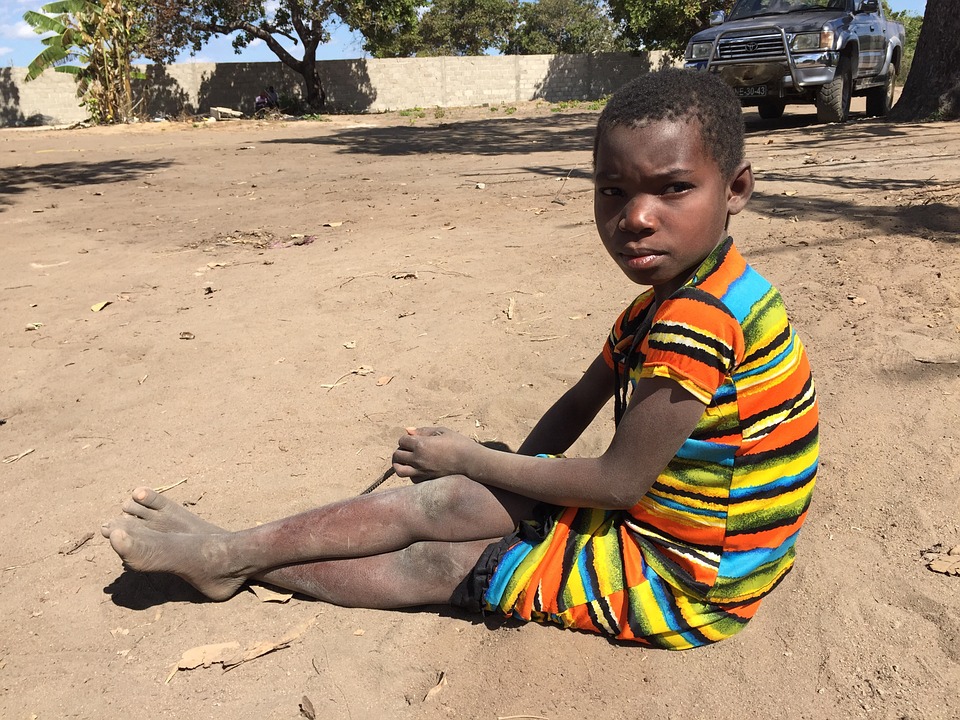
The Horn of Africa remains to be a part of the planet enduring food shortages as a consequence of famine and war. Ethiopia, a central part of the region and its challenges, has more than 7.8 million citizens living in food poverty. This is due to the combined impact of declining food productivity over the years and long-standing ethnic tensions that have worsened quality of life. This situation is especially harmful to the community that is dependent on agriculture farming. Byron Conner’s book “The Face of Hunger” documents the issue in explicit detail.
Countless rural farmers and their families are suffering from hunger. Low rainfall over the last two years has contributed to catastrophic harvests. And now, when rain has resumed in certain places, the effects of the lack of rain are continuing to be a problem. Small harvests indicate that many low-income households do not have enough food and are unable to consume healthy food on a daily basis. Furthermore, households are not in a position to afford simple commodities since there is no revenue from the selling of crops.
Economic troubles, famine, and severe weather are undermining years of progress to the point that roughly 237 million sub-Saharan Africans are now critically underfed, more than any other area. In Africa, as a whole, 257 million people are suffering from starvation, which is 20 % of the population. Subsequent drought conditions and bad harvests in Zambia, Zimbabwe, Mozambique, and Angola are starting to take its toll on farm growth and food prices are increasing. During the last three rising seasons, areas of Southern Africa have recorded the lowest precipitation since 1981.
In this article, we’ll highlight 10 of important things you should know about the famine in Ethiopia.
- Children are affected the most
Kids are among the most severely affected during famine. The shortage of nutrients stops them from progressing physically and psychologically. If children are incapable of getting nutrition which they need to grow, they are much more likely to contract diseases.
Upwards of 2 million kids were afflicted by the drought with 303,000 infants under 5 years of age having been reported as chronically undernourished, and 36,750 individuals have suffered from Acute Watery Diarrhea, a waterborne illness that may be fatal.
- Irregular weather and calamity have exacerbated the issue
The repeated disruption of rainy seasons has rendered it difficult for most African farmers and herders to sustain their livelihood. Typhoons and floods have also doubled the need for health assistance in Eastern and Southern Africa, particularly in Ethiopia.
While the international number of individuals suffering from malnutrition has declined by 31 per cent since the year 2000, the health and nutrition crisis in sub-Saharan Africa has intensified in the last three years due to these irregular conditions.
- It’s generational, and the cycle continues
Recurrent drought, war and turmoil also contributed to serious food shortages. cMost areas have been dealing with chronic poverty for decades, and there is a lack of governmental control and community service programs to aid the poor communities.
The accelerated period of prolonged drought is plunging the same populations into famine again until they have the opportunity to rebound enough from the previous one.
- Not all food crises are famines
The term famine pertains to an acute shortage of food. But it’s not only that — it really means the worst possible situation for a food crisis, so it has a specific description utilized by the health sector.
Bear in mind that not all food shortages are considered famines. A food crisis evolves into a famine when there is very little food in the area that it results in wide-spread starvation, malnourishment, and fatality.
- Weather is usually a main culprit
The overall pattern in food scarcity rises is largely attributed to environmental factors. Low rainfall over the past few years has contributed to poor harvests. And at moments where there is rain in certain places, the effects of the lack of rain are proving to be a protracted problem.
- Widespread poverty further fuels the problem
The extreme consequences of famine and drought arising from extended periods of food shortages, particularly in rural areas, are directly linked to high rates of unemployment, where more than half of the population survive on less than $1 a day. Moreover, considering that 80 % of the population reside in rural areas where fertility levels are large and smallholder agriculture is the foundation of the economy, the shifts in weather patterns have a significant effect on growth and the community in these areas is unable to deal with the change.
- Efforts are in place
Given the severe food insecurity problems, Ethiopia is making an attempt to eradicate starvation by addressing the low productivity of smallholder farmers via measures that allow large expenditures in agricultural research and development, particularly in terms of making improved crop varieties and breeds accessible along with improved agricultural practices. In addition, attempts have been made to provide timely exposure to high-quality supplies, such as reliable fertilizers.
Africa has undergone drastic improvement as a consequence of its fast-growing markets and increased food growth, which has halved the amount of malnourished citizens on the continent. Therefore, given the challenges that Ethiopia has encountered in the past in achieving food needs, reaching the Sustainable Development Goal, which implies eliminating all aspects of hunger and poverty by 2030, is not an unreachable target.
However, it would take a lot of effort for smallholder farmers to deal with shifts in environment, such as famine and floods, as well as support from government and non-governmental organizations to push for a long-term solution.
 The Happy Hammock