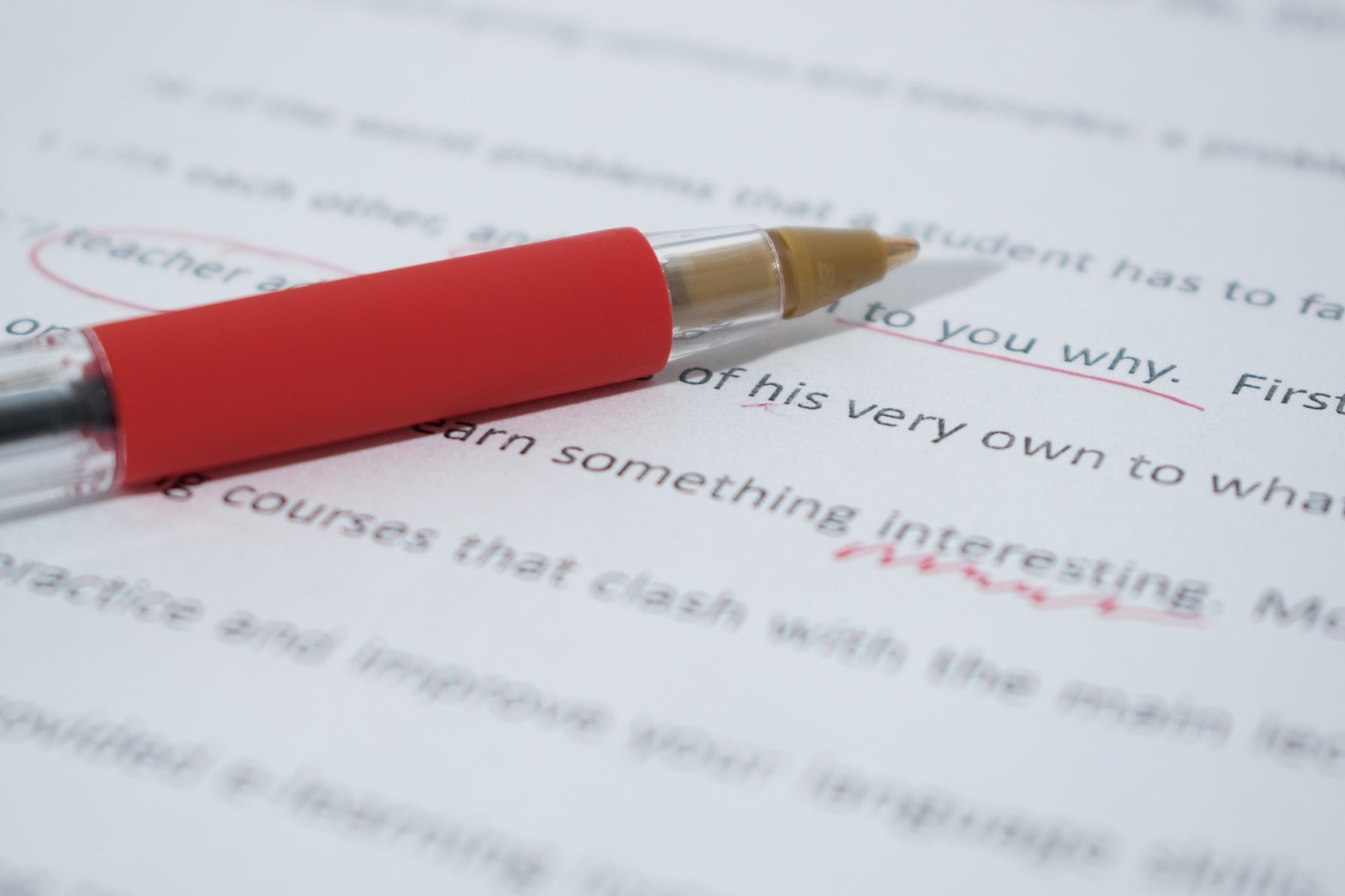
The world of editing is not as simple as it looks like. There are many corners that you have to go through before you can truly call yourself an editor. It is not just about paying attention to details but also about commitment. When the idea of editing looks like fun and games to you, you need to shift your views because editing goes beyond that.
You probably have heard about editing, revising, and proofreading. These three are the terms that are commonly used today when one touch the topic of polishing a draft. But have you heard about developmental editing and copy editing? If you do, then good for you! However, if the two don’t ring a bell — then worry not because that’s we are tackling today.
Developmental Editing
Developmental editing pertains to the first editing step, where you have to go through the raw draft thoroughly. This is, correct me or not, the most important part of editing. It is not because it the first stage is always important, but it is due to the fact that this is when you have to clean most of the mess and shift ideas. Tweaking or changing the thought of the text is a huge responsibility that needs thorough thinking. You have to pay respect to the idea of the writer and make sure that you the enhanced one is still relevant to the subject.
Furthermore, it is the part where you identify the strengths and weaknesses of the manuscript and mark the points that needs improvements. Some of the common parts that needs developmental editing include but not limited to issues in the pacing, holes in the plot, problems in the theme, errors in the setting, concerns on the characterization, and faults in the total structure.
As a developmental editor, you have to provide direct feedback based on what you have reviewed. There is no need to beat around the bush and sugar coat your words because your goal is to improve the text and educate the writer. In that way, the client will know what should and should not be done next time. Furthermore, there are many developmental editors in the industry. Some of them are working under a company while others are working as a freelancer. Greg Van Arsdale’s Developmental Editing is one of the best developmental editing services in the industry.
Copy Editing
Copy editing refers to the second stage of editing. It is the part when the document has already gone through the developmental edit and all you need to do is to review the structure of the text. The purpose of this step is to make improvements in your manuscript so that it will be more decent to be shown to the public. Thus, a copy editor needs to be detail-oriented, observant, and meticulous in order improve the quality of the text and not the other way around.
Moreover, copy editing is also known as line editing, because copy editors are responsible for examining the story and polishing it line by line. This process gives a good chance to the edito0r to detect more specific errors in the text. It also provides a better opportunity to edit inaccurate facts, anomalous tales, and inconsistent character back stories. By examining the text per line, it enhances the readability and strength of the client’s manuscript making it more reader-friendly and flawless.
This step can be compared to frosting a cake. You are already done with the baking process and all you need to do is to put the frosting of the cake. You wouldn’t want to present a naked cake to your clients, wouldn’t you? Hence, copy editing is there to make your initially finished material near its completion and already presentable enough.
This kind of editing will revolve around the minute portions of your manuscript. Professional copy editors will enhance the sentence structure, eliminate wordiness, highlight text flow, remove redundancy, change passive voice, improve vocabulary, delete vagueness, and edit unpleasant dialogue. However, the method of copy editing is not far different than developmental editing. The editor will still need to read the document in order to spot the structural and technical errors.
 The Happy Hammock