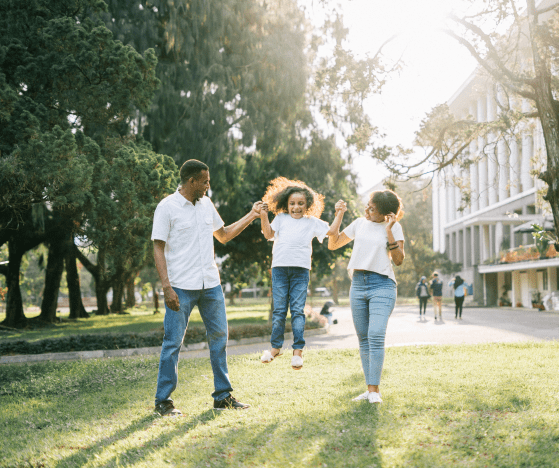
Photo by Agung Pandit Wiguna
Where does the importance of a family unit fit in today’s society? Is it still relevant that people should protect and cherish its value?
Families come in all different shapes and sizes. Although a “family” is commonly defined as a relationship between individuals connected by blood, marriage, or adoption, modern times otherwise gave this kinship word a whole new and level-up meaning. The word family now extends and is defined beyond direct blood and extended relationships. Nowadays, so long as a person you’re close with calls you part of their family, yes, that is another type of family.
A family can be a group of friends or a close association with individuals who share the same perspectives as you. People can also call you a part of a family because of an offshoot of a particular incident that led an individual to embrace you as part of their group.
The family now is defined more as a feeling, an impression, an emotion that people could link to those warm and cozy feelings, that feeling of being comfortable, accepted, contented, and satisfied.
How important are families?
The impact of having a family should not and can never be underestimated. A family could do wonders for a person’s overall well-being, especially regarding their mental health. Once you learn about the significance of being part of one, you’ll start appreciating more and more those people whose presence you unintentionally take for granted and come to be more grateful for these people in your lives.
Sense of Belongingness
“No man is an island.” – is so true in every way. Not that this is an idea stemming from a romanticism concept pushed by what literature defined what belongingness should be. Famous American psychologist Abraham Maslow linked this emotion to a basic human need in a diagram he created as the “Hierarchy of Needs.”
Maslow’s diagram showed the basic human needs at the bottom of the pyramid that people must meet first if a person aims to live a fulfilled life. The next level up is security needs, followed by love and belonging. And all of these are found within or are satisfied by family relationships.
Support System
If there’s one thing people need these days that are overwhelmed by problems brought on by the COVID-19 pandemic that, includes unemployment, inflation, and glaring mental health issues, it’s those words that say, “I got your back.” This is the kind of support system a family gives its members.
And this support system is not only limited to the challenging and trying times; even good times and good news also deserve support that says “good job” or “congratulations.”
If you add these two up – this belongingness and support system – the resulting factor is one excellent human being resilient and robust, both physically and mentally.
Tips to Build a Strong and Happy Family
Creating and developing a family that’s strong, healthy, and family is not a one-size-fits-all type of process. It will all boil down to the kind of personality each family member has, not to mention also considering existing beliefs and values. There’s no fixed blueprint for defining and making a solid family, but there are common ways that you could follow to start on the right footing.
It’s All About Balance
Nowadays, it’s all about the rush, rushing, and even more – not to mention there’s a deadline or a pressured timeline for almost anything and everything. And because of this, time with family also tends to spin out of control.
Now that you have an idea that family is an essential element in a person’s life, then right now, you should strive to make this a priority, if not well-embedded, into your daily life. Strive to have a work-life balance. Be strict when it comes to making your commitment to your family. If your son wants you to go to his baseball game, then be there for him. If work demands more of your time, then ensure that you make up your lost time with your family by taking vacations or even something as simple as having a quality family dinner or movie night.
Communication is the Key
This may sound cliché, but for a relationship to work out successfully, there should be a good and robust communication process, including within families. Parents often encounter communication challenges with kids who find it hard to express themselves and put into words their thoughts or feelings. To make it work, the adults need to listen more and be empathetic – not to mention a lot of patience and determination throughout the process.
Communication is integral in creating an atmosphere of honesty within a family. It helps members open up about their needs, wants, and concerns that need to be addressed to make the family unit stronger.
Appreciation Turns Tables
Gratitude is an essential social skill that leads to the development of empathy. People who have grown up and are nourished in a “grateful” environment tend to produce a domino effect toward others outside the family. Aside from being empathetic, they also develop traits of kindness and compassion and even enhance faith and trust.
Plus, being appreciative helps affirm families’ love and care. Who doesn’t want to feel loved and appreciated, anyway?
Takeaway
The family is one of the three pillars that makes up a community. It is a forerunner of building characters and developing future molders and leaders of society.
No family is perfect, and every family will go through difficulties and challenges. In Margaret Moschak’s book, My Alcoholic, My Love: My Love and Loss of an Alcoholic Husband, the author opens up about the struggles she and her family have to face dealing with an alcoholic husband. But these same challenges make a family grow, strive and thrive toward becoming almost perfect. Hence, one of the critical goals of every society is: to build stronger and happier families.
 The Happy Hammock