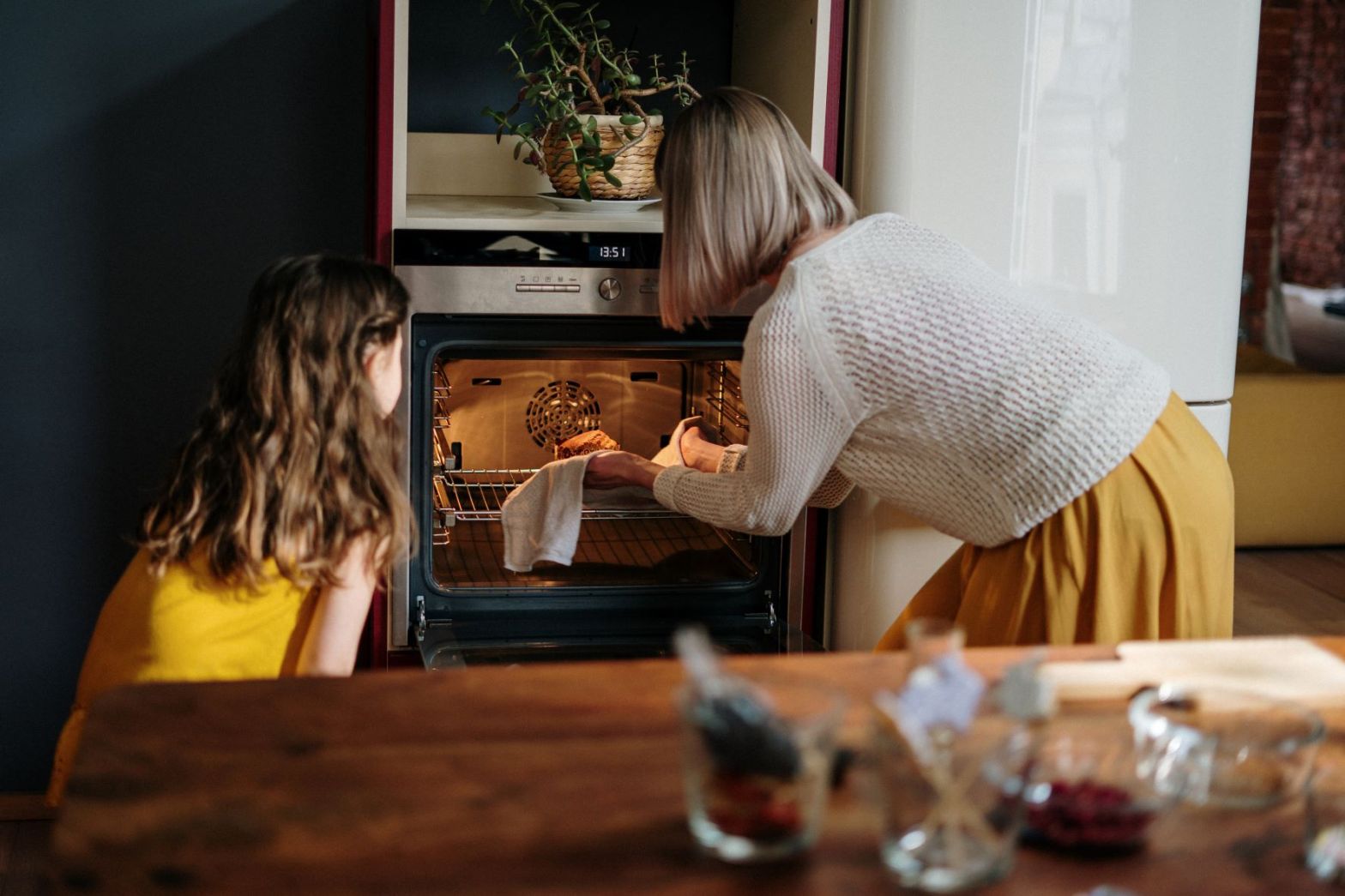
If we let it, food can tell some beautiful stories that we may not be able to hear otherwise.
What do your favorite meals from your childhood say about who you are and where you come from? Do you reminisce about tuna noodle casserole that was a staple on Friday nights? Potatoes cooked to crisp perfection in a way you cannot quite replicate? Stews made with just “a dash of this and that” that, try as you might, you can never get your grandma to give you actual quantities.
The food cultures we grow up with, whether exceedingly elaborate or practical, say about who we are and where our parents and grandparents come from. If we let it, food can tell some beautiful stories that we may not be able to hear otherwise.
We do not ask our parents enough questions about where they came from and what life was like.
To some, it might be that some of your favorite conversations with other people revolved around learning about the food other people grew up with. You even heard about their experiences bridging the “food divide” between home, school, and work.
Food was how we could express who we were and where we came from in a way we could share tangibly with others. It allowed us to talk about the stories that we knew–or sometimes did not know–about the lives of our parents and grandparents. It was a beautiful way to connect deeply with each other.
But often, we do not stop and think about how the food we ate growing up reflects the experiences of those who raised and fed us. We rush through our busy lives, not thinking much of the quick breakfast we whipped up when we were late for work. But when we pause to think and ask questions about why grandma started adding that one spice or what circumstances led to the blend of cuisines we grew up with, we can connect with our roots in ways that truly enrich our lives.
Celebrating who we are with what we eat!
In the United States, nearly 25% of the U.S. population was first or second-generation American in 2013, meaning they were either born outside of the U.S. or had at least one parent who was. And, very often, the pieces of culture that stick with us the longest are the foods that make their way to the family table. Sometimes, knowing how to open a conversation with a loved one about their life and where they came from cannot be easy. But starting the conversation with the foods you love and the culture you share can make those conversations easier.
Maybe at the next family meal, that dish that is so precious to your family—whether it is a beautiful day or my family’s favorite, cheesy mashed potatoes—could be the conversation starter to learn more about the people you love and where you come from. Each time they make their way to the table, they allow us to celebrate where we come from and tell stories we may never hear otherwise.
Generations of Good Food
This book is a compilation of recipes that span six generations by Eleanor Gaccetta. Eleanor’s book is a taste of home on a generation of good food. It is a collection of straightforward recipes and heartfelt stories of Italian life that brought families together around the table. This book will raise your interest whether you are a novice in the kitchen, a home cook, or a professionally trained cook. The cookbook is a compilation of nearly 200 recipes, including main dishes, bread, cakes, pies, cookies, and candy. Would you like to cook pasta dishes, bake sweet Easter bread, a Chiffon cake, lemon ricotta cookies, or make Tiger butter fudge? These and many more recipes are included. Just glancing through the table of contents will urge you to cook, bake and eat.
Further, it has recipes that conjure up heavenly aromas that bring you back to Sunday dinner tables, summer picnics, and holiday parties that call vividly to mind the extraordinary cooks who made them. The ones that make you close your eyes, smile, and say, “Mmmmm!” So, what are the tastes of your childhood? Whose name and story do you honor every time you dig in? What stories can you share with the people you love about the food that brings you together?
 The Happy Hammock