
Photo by Sam Moghadam Khamseh on Unsplash
Most damaging diseases can be prevented through a change in people’s lifestyles and habits. One is achieved by eating a healthy and balanced diet.
The importance of eating healthy isn’t foreign to anyone. It’s the key to a healthy life, a vital instrument to being fit and healthy. However, how we achieve this balance pose is rather tricky to identify and sustain, and most people give up on this endeavor as soon as they start.
For so long, a balanced diet has been understood as combining the classic childhood categories: go, grow, and glow food. Everybody knows, at least, this much about a child’s lifestyle. How to balance healthy lifestyles and healthy food intake often remains a challenge.
People have held to the misconception that to achieve a balanced diet, they must master food categorization, or else they’ll fail to keep the balance. Trying to balance food categories and eating habits complicates our lives when the goal is simply becoming healthier.
Being a food expert isn’t a prerequisite to healthy living. However, knowing the basics of nutrition and eating can help make the endeavor much easier to handle.
First, What Exactly Is a Balanced Diet?
The definition of it being a combination of go, glow, and grow isn’t far from what it truly is. But for a simpler explanation, a balanced diet is any meal that offers the proper nutrients the body needs to function. Plates don’t always have to be comprised of go, glow, and grow intricately. Instead, the only important thing people must consider is if their bodies are adequately nourished with wholesome choices.
The balance highlighted in this lifestyle refers to the portion control and intake of these necessary nutrients. No one should consume excessive protein in an effort to avoid going overboard with their calories. People enjoy perfect balanced nutrition once they finish a varied enough blend of nutrient-rich food, like vegetables, fruits, and proteins. There’s no need to know where an egg or oils fall under the go, glow, grow categorization. Eating essential nutrients and getting sufficient calories from the right foods for a balanced diet will provide the fuel your body needs for an active lifestyle.
Achieving a balanced diet shouldn’t feel like taking an exam. It should become a habit that is natural and effortless, sustainable and easily maintained. By following a few simple rules preparing a balanced meal will become routine.
An excellent way to build this routine is by tapping into cookbooks, the holy grail of easy and accessible healthy eating. Authors like Eleanor Gaccetta, who provide a taste of home in her Generations of Good Food, ensure that the meals they publish and share are the healthiest options.
Anyone can grab a copy and start cooking almost instantly.
What a Balanced Diet Looks Like
However, with how fast today’s society is, ensuring that every element is present can be tricky. People use what they have with a limited amount of time in their hands.
Making the most of one’s meal is like building a puzzle of distinct and varied pieces. People only need to learn about the right combination of food and balance it. For instance, their meal must have around 60%-70% of carbohydrates, 10% proteins, and 25% from fat – so much information, with complex percentages and nutrient ratios to remember. Without making life so much more complex, here are tips people can take note of to keep up with their healthy plating essentials.
Stuff up With Lots of Fruits and Vegetables
The good ‘ol fruits and vegetables combination never misses and fails people’s health goals. Packed with nutrients like vitamins, minerals, and antioxidants, they help keep people full and maintain a healthy weight goal. An excellent way to ensure the meal isn’t going overboard with these is by filling half the plate with a colorful variety – the perfect portion to aim for.

Stick To Whole Grains
Whole grain vs. Refined grain. The difference may be subtle; some even consider it inconsequential, but its impact on people’s diets is worthy of attention. People can choose a rich list of grains for their daily intake. But which of these offers the most nutrients?
Among the two options, whole grains have incomparable benefits for people’s health. This selection includes brown rice, whole grain bread, oatmeal, crackers, and even hulled barley – a good selection for diversified meal options which helps people avoid falling ennui over their meals. Not only are they still flavorful, but these options also have milder effects on people’s insulin and blood sugar than their refined counterparts, like white rice, pasta, and white bread. Their meal must comprise a quarter of whole grains in their plate, portions a fourth of the space available.
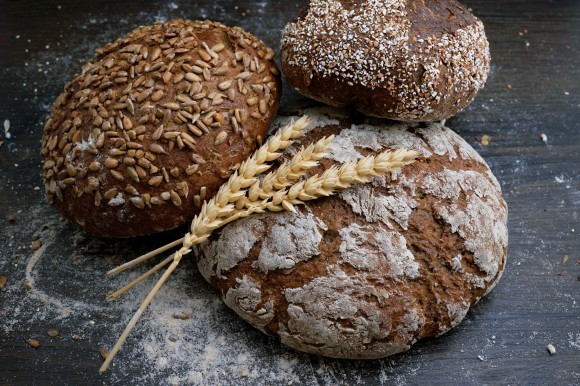
Photo by Wesual Click on Unsplash
Don’t Forget the Protein Power
This portion of the meal is relatively the easiest to maintain and understand. Simply put, don’t forget to eat meat alongside fruits, vegetables, and wheat. Great protein-rich food includes fish, lean red meats, cheeses low in sodium, nuts, and tofu. These ingredients are great to go with vegetables, which makes them the easiest to mix for meals and should comprise the other quarter of the meal plating.
 The Happy Hammock