How Food Connects Us: Why Sad Papaw’s Burgers Matter

Photo by RDNE Stock project

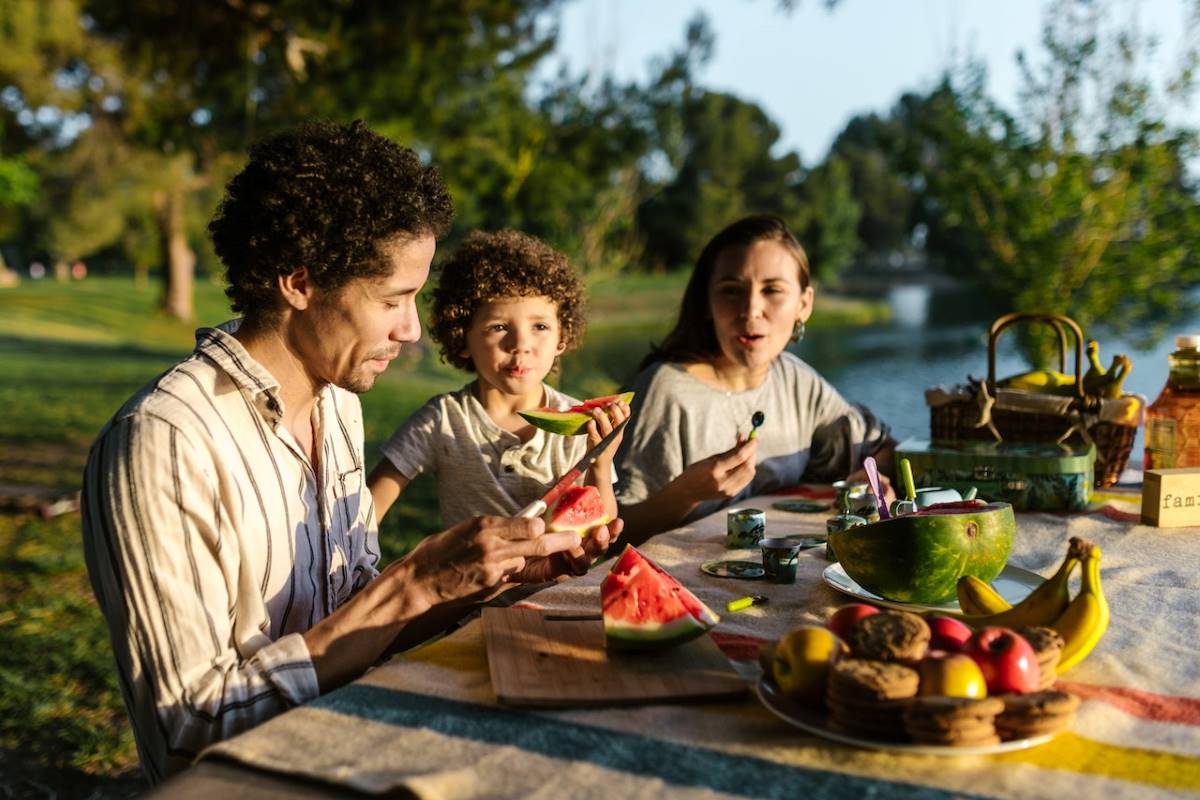
Discovering how food connects us is essential because it is how we learn the actual value of our interactions with each other as human beings.

Kenny Harmon, author of the book Sad Papaw: The Early Years, knows how saddening and disheartening it can be to eat alone after preparing quite the feast. Sad Papaw’s early years show readers how he got to where he is today. Allow us to present a bit of Sad Papaw’s tale today so that you can better understand who he is.

Not only that, we’ll also be focusing on how exactly food allows people to connect with others over a nice dinner. 

Food Lets Us Share Each Other’s Cultures

The basis of many cultures is food. You gain a unique understanding of someone’s culture when you consume their traditional foods. More than just new flavors will be experienced as you share these special eating occasions with strangers.

Giving back to their community will make a difference and gain priceless insight into their way of life. You can do much for each other’s culture by sharing a novel cooking method, a chunk of history, or an intriguing food ritual. Simply said, when you eat with strangers, your world is enriched and expanded.

Eating Together Provides Us With a Deeper Understanding Into Other People’s Lives

Consider your favorite dishes. Maybe it’s your grandma’s special brownie recipe or your dad’s homemade roast. Perhaps it was your spouse’s delicious grilled cheese sandwich or the strawberry gelato you enjoyed when visiting Italy. 

Since wonderful food is the sole thing that can always bring people together, there’s a strong chance that your favorite dish has a connection to someone and somewhere. It doesn’t matter where you’re from, how you were raised, or what resources you have. Sharing food brings about universal sentiments.

Food unites all people from the stomach and overcomes all obstacles, including linguistic and cultural divides.

Sharing a Meal With Someone Encourages Us to Be More Open

Few activities are more relaxing than sharing a meal with loved ones. It’s one of the main reasons why learning how food connects us is so valuable. Enjoying comfort food or dining together over a home-cooked meal helps us unwind. Sad Papaw attempted to engage in such activities with his grandchildren but unfortunately didn’t work.

But before he had kids and grandkids, Sad Papaw’s early years show us that his life is genuinely interesting. What made Sad Papaw an Internet celebrity and meme was caused by how food brings people together. People couldn’t help but open up to random strangers about their feelings when they saw Sad Papaw’s pic and story.

People tend to open up and share stories about their lives as the wine and food flow, from their pleasures and achievements to their worries and failures. In the same way that food nurtures our bodies, conversation nourishes our spirit. Who might you get along with, or which tales will you hear when you lunch with a stranger?

Food Can Be Symbolized as a Social Means of Bonding

We must return to the fundamental role that food plays in all civilizations to comprehend the role that food plays in understanding culture. Food serves societal purposes beyond essential nutrition and sustenance. Humans utilize food as a social, bonding, and connection tool in every civilization on earth.

Food unites us and provides the framework for our interactions. Even before, our prehistoric predecessors ate communal meals surrounding the fire as their social center. This is similar to our current holidays, like Thanksgiving, Christmas, and birthdays.

We gather for family meals daily to share tales, problems, and victories. We bring ice cream to pals going through breakups, give sweets to lovers, and throw lavish dinners to celebrate marriages. Some of our religions’ most significant rituals and practices revolve around the abnegation or indulgence of particular meals.

How Food Connects Us Is an Amazing Truth People Should Know

If we wish to try and share amongst ourselves, there are countless alternative combinations of ingredients, spices, and dinners. And by sharing, all of us can connect with people around the world and create relationships of excellent taste.

It’s time for us to connect again correctly, and we can all do that by sharing a meal. Kenny Harmon offers a great story that showcases how beautiful enjoying delicious food with other people is. Sad Papaw: The Early Years is a book that tells Sad Papaw’s early years before he became an Internet celebrity.

Grab a copy of the book by visiting Kenny’s website today. And while you’re here, discover the importance of having dinner with people and expanding the community!

Love is Just a Word: Learning to Be Happy with Someone Else

Photo by Gustavo Fring

In Hilaire Louis Jean’s new book on marriage and relationships, you get to learn the seven secret ingredients of a successful marriage and being happy with someone else.

Love is complicated enough without adding marriage into the mix. Yet, it is something that people yearn for. It’s the basis for which most marriages are made. Who does not want to find someone to be with until the end? 

In Hilaire Louis Jean’s The Seven Principles of Successful Marriage, she spills the necessary secret ingredients of a successful marriage, and while I’m not married yet, nor will I ever be, her lessons are quite versatile and can be applied to most relationships in general. 

After all, isn’t love the common thread in all relationships? 

Love is Just a Word

I’ll say it again: love is complicated. It’s perhaps one of the most incomprehensible emotions out there. There are multiple shifting ideas and aspects of it. If love should be a place, it would be a labyrinth where the first step in would automatically get you lost. 

Of course, whatever gripe I may have about love, it cannot be denied that when two people fall into it and realize where they are, love can be one of the most beautiful experiences either of them can have–and if it’s done properly, love can suffuse your life so intensely that just about anything you do for and with someone can fill you with joy and happiness.

However, it is not without a price. If love is a substance, then love is the most potent of drugs. And when you’re hooked on any drug, the wrong move can make life extremely challenging.

Thus, when you are in love, you have to go beyond what the initial high gives you. Most people think that if you’re in love, everything just falls into place, and you already know deep in your heart of hearts what it is that you’re meant to do, what you’re meant to say, and what you’re meant to feel.

That’s not true, far from it.

Love is not just a word. It is not merely the name we give to our feelings. Love is an act, and to love properly, you have to act properly. To be in love does not mean to be passive. If you want your love to become a perennial blossom–which is to say, not something that passes by quickly–you have to learn how to be happy with someone else, to appreciate their presence, and to be afraid of their absence. You must go outside your own feelings of love and commit yourself to them both in feeling and action.

Transform love into a journey; make it into a yearning for adventure with the one you’re with.

Learning to Be Happy with Someone Else

If you want to be both in love and happy with someone else, the first step is understanding what you and your partner’s love is. Love can be different for everyone, and it is important to know what your perspective is and what your partner’s perspective is.

For some, love is expressed through physical touch and affection; for others, it is expressed through service or quality time spent together. By understanding your and your partner’s languages of love, you both can better understand how to show love to each other that is both meaningful and satisfactory.

This requires open and honest communication, which is essential in any healthy relationship. It is important to remember that everyone is different, so what works for one person may not work for another.

To be happy with someone else is to practice empathy and understanding. This means putting yourself in your partner’s shoes and trying to see things from their perspective. It’s easy to become frustrated or upset with your partner when they do something that you don’t agree with or understand.

Still, practicing empathy and understanding is important so you can better appreciate their point of view and work towards a resolution that benefits both of you.

Learning to love your partner requires commitment and dedication. Love cannot be taken for granted. This means making time for each other, being present and attentive, and actively working to strengthen your relationship. Being happy with someone else also means making compromises and sacrifices.

Simple Ways to Serve Others and Make Life Easier for Them

Photo by Sarwer e Kainat Welfare

There are simple ways to serve others and make everyone feel better, loved, and cared for.

If you wish to learn more about these ways, author Jamie Pulos-Fry can help you. Jamie’s bookshelf collection has her book titled “Servants Heart from the Voice of a Volunteer,” which offers volunteers’ unique point-of-view. There, readers can get helpful tips they can use in their daily, regular lives.

So, do you want to learn some of these ways to serve others? Then join us as we discuss them here today. Get your pen ready, or bookmark this list in your browser because you’ll want to read it repeatedly.

1. Take the Time to Pray With Someone

Sometimes, volunteering to pray for somebody can come across as a throwaway remark intended to make them feel better. However, this couldn’t be further from the truth. Realizing that a friend can pray alongside them after a few trying, long months is comforting and relieving.

Let’s try making time to pray with someone on purpose. We should make it a point to join them in strong unity to call God to intervene and operate in their circumstances.

2. Become the Cheerleader Someone Needs in Their Life

Plenty of us may have a motivational saying or inspirational quotation posted on social media or pinned to our desks. These encouraging comments keep us going no matter what it takes to achieve our fitness goals, navigate a demanding workday, or even get through a challenging year.

Why not think about how we can actively encourage someone else’s life? Giving a coworker a sympathetic ear or words of optimism and life to people who have experienced a difficult week may go a long way toward supporting and uplifting them.

Let’s take a moment to notice all the different chances we have to uplift the folks we come into contact with every single day. We can live a good life by learning and applying simple ways to serve others. A life centered around using powerful ways to serve others, like the one in Jamie’s bookshelf collection.

3. Give Something Back By Donating

Nonprofits need financing and cash flow to thrive, just like entrepreneurs do. Donating to a group whose purpose you support can have a significant impact.

Giving to charities is a powerful mood enhancer. Being able to help others is empowering and can help people feel happy and fulfilled. Aside from that, many people believe that it’s both a privilege and an obligation to gain the ability to make a difference in the lives of others.

4. Be Prepared to Serve Where You Are Needed

Churches frequently struggle to get volunteers. The problem is that the majority of us are likely unwilling to devote an additional few hours (or, if it’s a larger church, our whole day) to serving because our weeks are already quite busy.

But, there are many advantages to volunteering. Depending on your ministry, you might oversee a group of young people for Christ or provide stressed-out parents a much-needed two-hour respite while you watch over their child. So, let’s begin serving in the church and practice putting the needs of those around us above our own.

5. Make Friendship More Personal and “Real” by Taking It Offline

“Friending” someone on social media is as easy as clicking a button. Even if we haven’t talked to some of our friends in ten years, clicking “like” or “love” can make it seem like we’re still involved in their lives.

While social media offers many opportunities for online connection, it will also make us yearn for the fulfillment of genuine relationships. What if we looked for these “friends” and had lunch or coffee with them?

Someone else may value our thoughtful friendship and care enormously. Who can we look for right now?

6. Lift Someone and Make Their Day Better

Be it the single mother who struggles to cover her food expenses or the elderly neighbor who requires assistance with his overgrown yard, attempt to make their day better. It is all too simple to ignore these folks, yet if we look carefully enough, we can see the needs and problems of our community everywhere.

Why not offer to cover all or some of her grocery costs? While you’re about it, gather some pals with a green thumb who can revitalize the elderly man’s garden. These modest deeds not only make someone’s day happier, but they also exalt God.

Use These Simple Ways to Serve Others and Make Life Better

You don’t have to save the planet to be helpful if you have the impulse to give back in some form and don’t currently make volunteering an element of your life. Instead, choose the first example from this list which works for you.

Each journey begins with the initial step. You will impact people’s lives even if you only do one wonderful thing per month.

We hope that this list was helpful to you. If you want more information, look at Jamie’s bookshelf collection and purchase her book. Check out some of our other blog posts, too, and learn that your purpose in life could be found in helping.

Spilling the Tea: Teenagers Want to Help Change the World

Photo by Helena Lopes

The Soul of Adolescence by Alfred H. Kurland is a great book and a constructive critique of old paradigms about adolescence and their apparent apathy.

As someone who’s worked with teenagers, I often hear people from my generation and older talk about how the new generation is lost, too disengaged from the world to do anything of substance. They say they are too attached to their phones, as if life was more real there. The older generations claim that they should be spending their finite time on this earth to take action and commit to positive change.

Of course, this is all crock. There has never been a time in human history where teenagers are more engaged than now. 

Perhaps the only thing I’d agree with is that we all, not just teenagers, should be spending more of our finite time trying to better the world. But this article isn’t about me or my compatriots. It’s for the people who will be coming after, the ones who’ll be cleaning up our mess when we’re long gone.

While it is an annoying stereotype, mostly persisting because of ingrained prejudices from the older generation, most teenagers are not, in fact, apathetic. Some are true, but that’s true for about every generation. The vast majority are quite active in their own unique and little ways of trying to push the world to a better place. 

The reason why the stereotype of the apathetic teenager exists is that the methods by which the youth of today engage with the world are quite alien to those of the older generations, and the reason why that is so is that they aren’t really given enough opportunities to engage with the world via the traditional channels.

The traditional channels are, sadly, gate-kept from them by people who are afraid of losing whatever sense of authority they have. 

If you think that teenagers aren’t properly engaged with the world, albeit in their own ways, then you might be too stuck up to have ever conversed with one. Teenagers are brimming with energy, enthusiasm, and creativity. On almost every issue that adults are butting heads over, teenagers are quite passionate about, too. 

Don’t just stop with your outdated views, but actually delve deeper into their world and try to understand them. I would suggest reading The Soul of Adolescence by Alfred H. Kurland, a deeply stirring book and a constructive critique of old paradigms about adolescence

Teenagers want to change the world for the better. However, we, as a society, need to let them.

Spilling the Tea

Before anything else, perhaps I should try to dispel some of these misconceptions that older people have about teenagers. This is somewhat confusing for me since we were all teenagers once, and which one of us didn’t have that experience of being misunderstood by adults? Very well.

Firstly, it’s very important to recognize that, like every age demographic, teenagers are not monolithic. Not every teenager is the same. Try as some might to believe that they are. Teenagers come from a vast array of backgrounds, cultures, and experiences. The same with everyone else. Therefore, if you want to understand things from their point of view, you should always consider their unique perspectives and needs.

This is why I’m quite relieved to know that teenagers are leading the charge for activism worldwide. From Greta Thunberg’s climate activism to the Parkland students’ gun control advocacy, teenagers are already making an impact on the world–and we can better inspire more young people to get involved by highlighting these stories, amplifying their voices, and doing our best to suppress this idea that they are as apathetic and uncaring of the world as older generations seem to think they are.

This not only helps the world become a better place, but perhaps we can also start to redefine what it means to be a teenager, how parents should interact with them, and how we can establish better, stronger families and communities. 

Teenagers Want to Help Change the World

This is where adults like you and me come in. We must provide more opportunities for teenagers to actually contribute to a better world. No “you are too young to do anything” nonsense. There should be none of that. 

We need to create spaces where teenagers can explore their interests, connect with like-minded peers, and take action on issues that matter to them. 

When teenagers feel they have agency and can make a difference, they are more likely to become engaged and stay engaged.

The Basics of Healthy Living: A Balanced Diet Plating

Photo by Sam Moghadam Khamseh on Unsplash

Most damaging diseases can be prevented through a change in people’s lifestyles and habits. One is achieved by eating a healthy and balanced diet.

The importance of eating healthy isn’t foreign to anyone. It’s the key to a healthy life, a vital instrument to being fit and healthy. However, how we achieve this balance pose is rather tricky to identify and sustain, and most people give up on this endeavor as soon as they start.

For so long, a balanced diet has been understood as combining the classic childhood categories: go, grow, and glow food. Everybody knows, at least, this much about a child’s lifestyle. How to balance healthy lifestyles and healthy food intake often remains a challenge.

People have held to the misconception that to achieve a balanced diet, they must master food categorization, or else they’ll fail to keep the balance. Trying to balance food categories and eating habits complicates our lives when the goal is simply becoming healthier.

Being a food expert isn’t a prerequisite to healthy living. However, knowing the basics of nutrition and eating can help make the endeavor much easier to handle.

First, What Exactly Is a Balanced Diet?

The definition of it being a combination of go, glow, and grow isn’t far from what it truly is. But for a simpler explanation, a balanced diet is any meal that offers the proper nutrients the body needs to function. Plates don’t always have to be comprised of go, glow, and grow intricately. Instead, the only important thing people must consider is if their bodies are adequately nourished with wholesome choices.

The balance highlighted in this lifestyle refers to the portion control and intake of these necessary nutrients.  No one should consume excessive protein in an effort to avoid going overboard with their calories. People enjoy perfect balanced nutrition once they finish a varied enough blend of nutrient-rich food, like vegetables, fruits, and proteins. There’s no need to know where an egg or oils fall under the go, glow, grow categorization. Eating essential nutrients and getting sufficient calories from the right foods for a balanced diet will provide the fuel your body needs for an active lifestyle.

Achieving a balanced diet shouldn’t feel like taking an exam.  It should become a habit that is natural and effortless, sustainable and easily maintained. By following a few simple rules preparing a balanced meal will become routine. 

An excellent way to build this routine is by tapping into cookbooks, the holy grail of easy and accessible healthy eating. Authors like Eleanor Gaccetta, who provide a taste of home in her Generations of Good Food, ensure that the meals they publish and share are the healthiest options.

Anyone can grab a copy and start cooking almost instantly.

What a Balanced Diet Looks Like

However, with how fast today’s society is, ensuring that every element is present can be tricky. People use what they have with a limited amount of time in their hands.

Making the most of one’s meal is like building a puzzle of distinct and varied pieces. People only need to learn about the right combination of food and balance it. For instance, their meal must have around 60%-70% of carbohydrates, 10% proteins, and 25% from fat – so much information, with complex percentages and nutrient ratios to remember. Without making life so much more complex, here are tips people can take note of to keep up with their healthy plating essentials.

Stuff up With Lots of Fruits and Vegetables

The good ‘ol fruits and vegetables combination never misses and fails people’s health goals. Packed with nutrients like vitamins, minerals, and antioxidants, they help keep people full and maintain a healthy weight goal. An excellent way to ensure the meal isn’t going overboard with these is by filling half the plate with a colorful variety – the perfect portion to aim for.

Photo by nrd on Unsplash

Stick To Whole Grains

Whole grain vs. Refined grain. The difference may be subtle; some even consider it inconsequential, but its impact on people’s diets is worthy of attention. People can choose a rich list of grains for their daily intake. But which of these offers the most nutrients?

Among the two options, whole grains have incomparable benefits for people’s health. This selection includes brown rice, whole grain bread, oatmeal, crackers, and even hulled barley – a good selection for diversified meal options which helps people avoid falling ennui over their meals. Not only are they still flavorful, but these options also have milder effects on people’s insulin and blood sugar than their refined counterparts, like white rice, pasta, and white bread. Their meal must comprise a quarter of whole grains in their plate, portions a fourth of the space available.

Photo by Wesual Click on Unsplash

Don’t Forget the Protein Power

This portion of the meal is relatively the easiest to maintain and understand. Simply put, don’t forget to eat meat alongside fruits, vegetables, and wheat. Great protein-rich food includes fish, lean red meats, cheeses low in sodium, nuts, and tofu. These ingredients are great to go with vegetables, which makes them the easiest to mix for meals and should comprise the other quarter of the meal plating.

Do Fad Diets Work: The Risks and Benefits They Present

Photo by Andres Ayrton

Nowadays, diets have become very popular, but do fad diets work?

Performing a simple Internet search is likely going to tell anyone how helpful delicious and healthy foods can be. Some writers even offer comfortable home cooking recipes, like Eleanor Gaccetta’s Generations of Good Food, so everyone can eat tasty meals that benefit their health.

When it comes to diets, it’s always best to remember that the right way is the most excellent method to achieve your healthy goals. But since we’re on the topic of fad diets, why don’t we take a deeper look at them?

Let’s kick things off by discovering the different kinds of fad diets.

Some Examples of Various Types of Fad Diets

Several ‘fad diets’ are available if you’re seeking a quick approach to reducing weight. These “diets” could yield quick results but can be challenging to maintain. Ultimately, they rob you of only a balanced diet’s nutrients.

Here are some of the fad diets we were able to gather:

• The Macrobiotic Diet

Back in the day, among the most well-liked diets was the macrobiotic one. It advocates meditation, choosing whole foods versus processed foods, and minimizing your bad lifestyle decisions in addition to your eating habits.

Weight loss is made possible because the meals typically consist of nutritious grains, fruits, and vegetables. However, people must be cautious when using this diet. The stringent requirements of this plan make it challenging to follow and may even result in nutritional deficits.

It’s crucial to conduct an extensive study before starting a macrobiotic lifestyle, as with many other diets. Consult a dietitian to ensure your dietary requirements are also satisfied.

• The Paleolithic (Paleo) Diet

The Paleolithic diet, often known as the “caveman diet” or the “paleo diet,” in its purest version, only permits foods humans consumed when they first began walking the earth approximately fifty million years ago.

Nonstarchy vegetables, fish, nuts, fruit, and lean meats are all allowed. Grains, starchy vegetables, processed foods, dairy foods, and grains are all out. The paleo diet has a devoted following among followers due to its simple rules, emphasis on nutrient-rich fruit, and emphasis on activity.

Fans of the paleo diet say it aids in their weight loss, health improvement, and maintenance. However, according to specialists, the long-term effects could be more proven, and this famous fad diet is challenging to follow.

If you’re starting with your diet, it’s best to try some comfortable home cooking recipes. Try reading Eleanor Gaccetta’s Generations of Good Food to begin your new healthy diet, especially if you’re wondering, “Do fad diets work?”

• The Raw Food Diet

Raw food proponents contend that heating food and destroying its enzymes renders most nutritional advantages useless. This fad diet plan permits you to consume as much as you want, as frequently as you want, so long as it’s vegetarian and raw.

It limits meals to raw products or anything cooked or heated to more than 118° Fahrenheit. Even though nutritionists applaud the emphasis on fresh produce and the omission of processed foods, several claim that the diet is deficient in nutrients and challenging to maintain.

Discussing the Benefits and Risks of Fad Diets

Now that we know a few of these fad diets, it’s time to get into the nitty-gritty of things and actually list down the benefits and risks of these diets.

Benefits

1. They encourage those engaging with the diet to be accountable.

Friends who are pursuing the same objectives adhere to fad diets. You now have the chance to be more accountable for your food choices. If someone holds you accountable, you are more likely to achieve your weight goals.

2. Everyone can easily afford them.

Many fad diets have a pre-pared food cost comparable to what you would typically spend on groceries.

3. These diets can aid in identifying the poor nutritional habits a person has.

The typical Western diet is eliminated in many fad diets, including the VB6 diet. Many Americans ingest processed foods, refined flour, and added sugars with little thought. A fad diet typically promotes eating more whole grains, fruits, and vegetables as substitutes for other foods.

Risks

1. They fail to teach people long-term, healthy eating habits.

A fad diet will cause people to lose weight, but they’ll gain at least a third of it again within a year. In five years or fewer, most body weight is acquired again. With these diets, whole food groups are frequently eliminated. This results in some people simply substituting one unhealthy habit for another.

2. Most fad diets are difficult to adhere to.

If you’re on a fad diet that forbids carbohydrates, one slip-up might make the whole thing unsustainable. Most of these diets can be challenging to follow because they are so restrictive. If you fail, you could think you can’t lose weight anymore. The majority of these diets discourage exercise as a necessary component. Physicians encourage exercise in combination with a healthy diet of all food groups in moderation.

3. Fad diets are often overly restrictive.

In order to reduce weight, fad diets frequently suggest cutting out specific foods from your daily diet. Some have a lot of limitations. For example, the Whole30 fad diet forbids grains, rice, beans, and corn for a whole month.

Bottom Line: Do Fad Diets Work?

While fad diets have their benefits, sometimes, the risks can outweigh their advantages. Health is all about being able to feel good about ourselves. We shouldn’t accept the unrealistic standards and images the media feeds us.

So, do fad diets work? The answer seems to be a yes and no. But if you want to be sure, always contact a dietician and do extensive research on your end. You can also try out some comfortable home cooking recipes by Eleanor Gaccetta in her Generations of Good Food book.

Remember to read other blogs here and learn the benefits of home-cooked meals!

Enjoying Life to the Fullest: Ways People Can Live Fully

Photo by Andrea Piacquadio

Knowing what makes you happy, what matters most, and what you’d like to accomplish is necessary for enjoying life to the fullest.

Dr. Robert Knapick, author of Choose to be Happy, understands how valuable it is for everyone to enjoy their lives. We find ourselves in difficult moments, and it’s easy to feel we are losing control over our existence. But in reality, only we can decide how to live our life and how we wish to live it to the fullest.

However, if you need help finding where to start, we have some ways to live life on its best side.

Always Be Kind to Your Physique and Health

The bodies of many people are taken for granted. It may not seem like much, but treating your body more kindly doesn’t need much work. By giving your body the attention it deserves, you may improve your health and offer yourself a lot of love.

But caring for your body also benefits your emotional, mental, and physical health. You can recuperate and focus more on the vital things when you take care of and appreciate your body. You are also less stressed.

After a long day at work, are you exhausted or on the verge of burnout? Take some time to unwind; you deserve it. Pay closer attention to your habits as well. Drinking wine and coffee in moderation helps to protect your organs from harm.

Don’t forget to get a good night’s sleep as frequently as possible to help your body heal and regenerate for the following day, instead of only going to the doctor when you have a major symptom, schedule routine checkups.

Put the People and Things That Matter to You

We occasionally become engrossed in or diverted by inconsequential things. Determine what or who is important to you and actively look for ways to prioritize those things. You must choose how to do these to prevent irritation and resentment, whether your profession is important to you or you want a better work-life balance.

If you are all up for enjoying life to the fullest, Dr. Robert Knapick is here to provide valuable help. Knowing who is essential to you reduces the chance that you will ignore or neglect them.

Enjoy life to the fullest by celebrating your existence. You may accomplish that if you look after all aspects of your well-being: mental, social, physical, financial, and emotional. You can only experience true well-being after that.

Be the One Who Defines What Your Happiness Is

Begin by determining happiness on your terms—not anybody else’s—when you choose to experience life to the fullest. Many individuals will have personal opinions about how you should approach the future. They may enquire things like, “When are you getting married? Why won’t you start having kids yet?” Put it aside.

Some individuals could be content when they have a successful career or a luxurious lifestyle. Others may be content leading a straightforward but tranquil life. Whatever makes you happy is something only you know.

Seeking approval from others can only exacerbate sentiments of pressure and inadequacy, making it harder for you to live and experience life according to your rules. You’ll begin to feel more relaxed and at ease once you stop basing your idea of happiness on that of other people.

Continuously Strive to Be a Better Version of Yourself — Every Single Day

Self-improvement can take many different forms and involve both huge and minor initiatives. Have you decided to learn a new pastime or skill? That represents a step in the right direction.

Or perhaps you’ve decided to improve your health by working out frequently and eating more healthily. Even something as straightforward as being kinder each day can be the starting point.

Being your best self will only result in better and more pleasant outcomes. It quickly becomes a habit, and focusing on your development will help you reach greater heights.

Challenge Yourself by Setting Goals and Making Them Come True

Getting things done that you’ve meant to do is another aspect of living life to its fullest. Start by making a list of what you want to do, a strategy, and actionable steps. It’s one thing to list your ideal goals; it’s another to actively work toward making them a reality.

Your objectives can be as high as being able to buy a car or a house in the upcoming year, while others can be as straightforward and practical as finishing reading one book per month. When you put in the effort, you can accomplish any goal.

Start Living and Enjoying Life to the Fullest Today

You can swiftly make significant adjustments by giving your life’s fullest expression some attention and consideration. Hopefully, these pointers got you off to a good start. Dr. Robert Knapick and his book, Choose to be Happy, provides helpful insights to start enjoying life to the fullest.

Try reading some of the other blogs and discover five spiritual self-care tips to be happy!

Habits to Cultivate Happiness for the Lifetime You Have

Photo by Andre Furtado

Believe it or not, practicing habits to cultivate happiness is one of the most effective ways to ensure your life will be filled with happy thoughts.

Jerold Skolnik, author of we’re all Crazy: GET USED TO IT!, understands that happiness is circular. The book underscores the need to adopt the right attitude as we navigate life’s seemingly endless tasks. This inspirational book is a how-to manual for swimming through life to the fullest rather than suffocating in it.

People with positive habits tend to be happier themselves. Here is a list of behaviors that are likely to increase your happiness.

1. Learn to Proactively Resolve Conflicts

It’s important to treat emotional problems as solvable and temporary things. Always utilize assertiveness skills. Be mature enough to realize that you can be kind without letting others walk all over you.

2. Aim to Live a Meaningful and Genuine Life

Live honestly and follow your values. Do you know what you want out of life? Ask yourself, “How can I move in that direction modestly?”

3. Savor Every Moment You Find Yourself In

Take a moment to observe anything you ordinarily take for granted in your surroundings. Bring awareness and attentive attention to it. Attempt to use all of your senses. Take note of the pleasant emotions and associations it evokes. To let it soak in, try holding onto the sensation for around 15 to 20 seconds. 

4. Stop Comparing Yourself to Others

Keep in mind that we share joys and sorrows. Though it’s tempting to compare our feelings and experiences to other people, we should stop doing it. Comparison is the thief of joy, after all. Curtail any notions of comparisons and focus on living your life to the fullest.

5. Treat Everyone Kindly and Use Non-Judgemental Awareness to Others and Yourself

The majority of individuals, including you, are making the best decisions they can, given the circumstances at hand. Practicing habits to cultivate happiness means that you will have to be kind to everyone, including yourself. Jerold Skolnik is well aware of this, which is why he offers his book to readers so that they can develop healthy and positive habits.

6. Practice the Art of Being Simple

Too many choices, numerous tasks, and too many things, in general, can lead to stress and lower happiness. If you want to learn the art of being simple, you can start by reading books, watching tips on YouTube, or doing an inventory of the things you have and donating/selling those you no longer use or need.

7. Develop Realistic Thinking

You don’t have to think positively all the time. Sometimes a little healthy skepticism is a good thing. But think critically: for example, what is the proof supporting (insert unsettling notion or hypothesis)? What are the consequences? How probable is it to occur? What coping mechanisms are in place in case the worst happens?

8. Spend the Money You Own

If you spend your money well on experiences or other people, you can buy (some) happiness. On their deathbed, no one ever remarked, “I wish I had bought more shoes, phones, or watches.” Spend your cash on things that’ll stick with you long after they’ve passed. Something that you will carry with you until your very last breath.

9. Don’t Forget to Connect with Others

We are social creatures that have a deep need to fit in. Social support serves as a stress-relieving buffer. Connecting with other people can also aid in putting issues into perspective, as they can provide helpful input.

10. Laugh and Have Fun — It’s One of the Best Habits to Cultivate Happiness

Laughter has been found to improve memory and learning, increase alertness, lower blood pressure, reduce some stress hormones, protect against respiratory infections, and boost creativity.

Now, while the quote “Live, Love, Laugh” might sound cringe-worthy, a tinge of truth does resonate with it. Life is too short to let yourself drown in the buckets of sorrows that life suddenly pours over our heads. Don’t let bad things take away your laughter and smile.

Practice Habits to Cultivate Happiness Today

Truth be told, it takes time to get well mentally. It simply doesn’t happen immediately. By consciously incorporating new habits into your routine, you can achieve long-lasting improvements to your well-being.

But with Jerold Skolnik’s book, you can turn things around for you. And you can start cultivating happiness today, along with the habits we’ve listed here. We hope this article was of help. We wish you good luck on your journey to becoming happier.

Read some of our other blogs as well and unlock the secret to finding your inner peace and happiness amidst the chaos!

Thinking Outside the Box: Rediscovering the Wisdom of Human Nature

Photo by Jeff C

There is a heavy and insightful discussion of civilization and inner peace in Rediscovering the Wisdom of Human Nature by Chet Shupe. And I’d like to weigh in on it.

As a global society, it’s safe to say that we’ve come a long, long way from our origins in the African savannah banging rocks against one another, trying to make fire and spears, and all that. Just look out the path we’ve made from then to now through our endless advancements in technology and our myriad discoveries about the nature of reality, of the world, and of ourselves as individuals and as a whole species.

Despite our best efforts to prove otherwise, I can confidently say that humans are still the only species that has gained sufficient sentience to establish a civilization.

Of course, while that is something we can pat ourselves on the back for, it is also something that needs–no, demands–a more thorough and more stringent examination.

Rediscovering the Wisdom of Human Nature

What needs to be examined, you ask? How about the wisdom that we’ve lost during our march toward modernity? One of the more serious problems we, as a society, need to contend with is accepting the fact that progress has had its setbacks. For one, we have lost invaluable wisdom to the ravages of time. 

Our ancestors have accrued a huge wealth of knowledge and insight through either their personal experiences appropriate to their time or their general ideas of thinking outside the box. This is especially concerning when you come to know that much of this information has been lost. Only a small percentage of our ancient wisdom still exists, from old and traditional approaches to healing to foundational philosophies that built entire societies and civilizations. 

Looking Outside the Box

Even if most of them are outdated, just learning and knowing of these helps us learn more about how they viewed the world, which in turn would help us greatly with how we look at the world today. That is the through-line of Chet Shupe’s book on civilization and inner peace entitled Rediscovering the Wisdom of Human Nature

Lost Medicine

Before we took up modern medicine, there was a myriad of methods that people thought up and relied upon to provide their communities valuable healthcare, from natural remedies to healing practices. These methods were often taught from one generation to another, always changing, altering themselves to refinement from many centuries of trial and error.

But the rise of modern medicine has resulted in the loss of many of these practices, not only because of arrogance and conceit but because of incompatibility with new contexts. This has created a world wherein people have deluded themselves into thinking that healthcare has always been this way and that there is no other way outside the box of pharmaceuticals. 

Lost Ideas

Close your eyes and list out as many ancient philosophers as you can. Chances are that you can only count as much as there are many fingers in your hand. There’s probably Confucius in there, Plato or Aristotle. Perhaps St. Thomas Aquinas, if you’re Catholic.

The point is that while these personalities were some of the greatest minds of their generation, there is still an untold number of philosophers, scientists, thinkers, etc., that have been lost to the dredges of time, their ideas never to be engaged with or seen by the light of day.

This is because people are too keen to dismiss ideas that have been labeled as “obsolete” or “outdated,” clearly forgetting that even if ideas have become stagnant, there is still merit to examining them. 

This is especially the case when you consider that even the philosophers that I mentioned above are slowly being forgotten, their works accumulating dust in the trash heap of history.

Lost Bonds

Perhaps one of the saddest things we have lost as a civilization has been humanity’s intimate relationship with the natural world. Slowly, we have begun to delineate ourselves from that which we still rely on.

Don’t you see it as odd that human beings are quick to distance themselves from the natural world, even though we humans come from the natural world?

This is an odd view of a relationship that we cannot afford to extricate ourselves from. The natural world, without humans, will continue to exist. The reverse, though: humans, without the natural world, cannot exist.

This persistent view has indirectly led to the destruction that is now being seen more and more via climate change and pollution.

Family and Friends: Home Is Always There Waiting For Us

Jojo’s Adventure, this lovely book about how Jojo loves his family and friends by Joyce Nealy, teaches children the importance of meaningful relationships.

I’m not much for reading children’s literature, but I found myself babysitting for a friend’s kids, who was a productive individual, very much so. She and her partner had a total of six children–and I was going to look out for all of them (well, only half of them; the other half were already in their teens and were, I quote, “almost already adults” and “didn’t need someone to take care of [them].” 

Well, regardless, my friend and her partner were headed off south to do some vacationing. She’d watched my dogs when I did the same thing earlier last year, so I would be a terrible friend if I didn’t say yes. So, when they dropped their little ones at my place, I was already thinking: how was I going to survive until bedtime?

Luckily for me, my friend brought with them their favorite books. I would be reading them to the young ones while the older kids would be off in the living room on their phones. It was an okay arrangement, to be honest–just reading books, cooking them meals, and making sure they slept.

Now, I’ve read my share of children’s books before (it was about a schoolboy who was why and wanted not to be shy), and I enjoyed some of them. But I wasn’t really looking forward to it, especially because I would be reading it to a bunch of young children who might (based on my prior experience) go bananas with me. 

I am not that good with children.

But the book they wanted me to read, Jojo’s Adventure, a wonderful and lovely piece of work, helped me learn what it must’ve been like for these kids in a big, happy family. Now, I come from a small family, and although we love each other very much, we’re not that active in showing it so much. We prefer a light touch.

Through reading this lovely book about how Jojo loves his family and friends by Joyce Nealy, I got to imagine ways of interacting better with my family, especially my siblings and, most especially, my youngest sister. We had had some epic fights back when we were much younger.

Thankfully, we were okay and chill now.

But Jojo’s Adventure made me realize that “okay” was the bare minimum. I had to be much better. I had to take that okay and make it the best, and when I had already made it the best, I had to make it even better!

This doesn’t just end with families; I have to say. It can expand to close friends, too, people who are not of your blood that you consider almost to be kin. People whom you feel comfortable with watching your kids while you go to Cancún with your partner for a weekend of adventure and relaxation. People who you know will be good to your dogs and won’t have them escape out the back door only to be hit by a drunk driver in his pickup with big wheels that won’t ever compensate for anything.

I believe—truly I believe this—that every relationship we have with anyone, whether it’s familial, platonic, or romantic, is like riding a tandem bike. Both parties have to put in the work, or we’re just going to fall down into the mud. 

You see, for a lot of Americans my age, making friends is hard, and keeping in touch with family? Even harder! 

This is something we all need to work on, I think. We’re so caught up in this individualist mindset that we fail to see the importance of maintaining relationships. We let the rot and wither away. Treat them like clotheslines, hanging everything up until it snaps in two. This is a bad way to go about doing things. Like a seedling, relationships need to be nurtured and kept safe from whatever trouble passes by.

And when it grows, oh boy, when it grows, that seedling will become a towering tree that will help shelter you from whatever trouble will one day pass you.

Family and friends are both homes away from home—and I wish that everyone has them in droves.

Design a site like this with WordPress.com
Get started