Basic Kitchen Questions You’re Too Embarrassed to Ask, Answered

Photo by Conscious Design on Unsplash

Feeling clueless in the kitchen and scared to ask questions, thinking they’ll be ridiculed? Here are answers to questions nonprofessionals, especially those who are only starting, are afraid to ask.

Everybody starts somewhere. If perfection or proficiency is what they aim for, it’s crucial to remember that nobody achieves this status immediately. Nobody was born an expert about something – even Einstein was once a naïve and inexperienced man. Everybody strives toward a direction one step at a time, with the previous at a subordinate level than the next. For professionals, this means starting as amateurs and inexperienced, fumbling with the most manageable tasks, and breaking under pressure.

This might seem overwhelming and frightening, but it’s the only route. Everybody wants a cheat code for achieving expertise, which can help skip a few rounds of embarrassing mistakes and harsh criticisms. Unfortunately, there’s no such thing if one aims for genuine growth.

One must go through the painstaking process of committing mistakes, learning, and unlearning. However, this can be tricky. Although it’s a glaring fact that to be somewhere, people must start nowhere, people find discomfort in expressing confusion or unknowing about a specific matter, especially if it’s something most people are experienced in.

Case in point: the kitchen.

Almost everyone has experience in the kitchen, whether it’s making breakfast or as simple as boiling eggs. It’s perceived as an essential requirement for everyone, especially those with families.

Hence, when someone confesses their lack of competency in the kitchen, it can be somewhat astonishing – when it shouldn’t be. This surprise makes it challenging for these individuals to seek help without expecting the other to be condescending. Instead, it should be normalized that not everyone can be competent and independent in the kitchen. Give credit where it’s due and appreciate those that rock with their cooking skills, but be a little patient and provide for those who aren’t.

Cooking is relatively easy, with recipes to follow. For instance, Eleanor Gaccetta’s book on home-cooked food recipes contains some basic dishes anyone can find the confidence to dabble in. Yet even then, it can be confusing tagging along when these instructions aren’t specific enough for an absolute beginner. What happens if these individuals go rogue upon confusion from their instructions?

Whether it’s children attempting their first at cooking or adults who have had enough with takeouts and want to try a hand at home-cooked meals, here are basic kitchen questions answered.

The World of Boiling Water

Boiling is one of the most fundamental skills to master in the kitchen, as it’s utilized in most dishes. At first glance, it’s the most straightforward task to learn – what’s complicated about filling a pot with water and waiting for it to boil? The process isn’t complicated. Instead, its compounds are what make it complex. Boiling water isn’t boiling all end all. It also has types people must familiarize themselves with to help with their dishes.

People can choose between a slow, simmer, or rolling boil, each with its properties and suitable for different dishes. For instance, a rolling boil is commonly used for hard-cooking eggs and pasta, while a slow boil is used for preparing stock and broth. A simmer is what is used when the flavors and ingredients of a dish optimize for the best taste. Individuals new to the kitchen must be lost upon when to turn down the heat when boiling water. The answer to this common inquiry depends primarily on the meal one tries to make. Hence, looking into which boiling type cooks their dish the best is imperative.

Sealing Juices in Steak

Steak is among the easiest dish to prepare, as it only needs marinated meat tossed into the fire. But simply because it’s easy doesn’t mean every steak ever prepared is excellently cooked. People must still look into charring and the steak’s juices to ensure they will taste perfectly.

Many cooks will suggest searing a steak to seal its juices and make the meat taste better, but they aren’t entirely correct. When the meat is seared at high temperatures, this will make the crust crispy and not retain any juices. In these temperatures, the meat squeezes out liquids instead of keeping them. Hence, if people want their meat flavorful, they must consider searing it before tossing it on fire.

Preserving Nutrients in Vegetables

One prime reason people opt for home-cooked meals rather than ordering in or eating out is the nutrients. Cooking dishes at home ensures they’re made healthily without many preservatives compared to if people receive them cooked. And what better way to sprinkle nutrients in meals than by adding vegetables? However, many discussions revolve around the proper way of cooking them, most about how overcooking leads to the loss of the nutrients they provide.

So, how should people cook them?

The best way to preserve the nutrients in most vegetables is like how it’s done with broccoli: steam them. This way, people ensure there’s no overcooking or too much oil that could cancel out the nutrients in them. If homeowners don’t have any steamers, they can pop the vegetables in the microwave with a bit of water added for 2-3 minutes. Preparing them this way before adding them to the main dish helps preserve the most nutrients possible.

Even the most seasoned chef has embarrassing times in the kitchen.  Since the pandemic families find themselves in the kitchen more often.  Some because they learned to like home cooked meals and some because the cost of eating out has become expensive.  Take the time to learn differences in cooking techniques and become a great home cook.  Then you can console someone else who is embarrassed in the kitchen.

What It’s Like Living Life with an Addicted Family Member

Photo by Andrea Music

July In August is the story of a child’s struggle with an opioid-addicted mother, revealing what it is like living life with an addicted family member.

Addiction in the family is the central focus of Maryjo Paradis-Smith’s thrilling story about having an addicted family member, July In August

While addicts might believe their vices only affect them and no one else, the reality of things is much more cruel and interconnected. 

Addiction affects the people around you. 

It’s simple enough to go about life thinking that drug addiction only influences the person doing the drugs: their health declines, they might lose their jobs, and they may start facing financial and legal dilemmas. Remember, living life as an addict is not an easy way to live.

This is doubly so when we become aware that addiction also affects the people around us. Addiction touches everyone around it, not just the one in the center of it all. This is especially pronounced when you have an addicted family member–because when you do, whether it’s a child, partner, or parent, everyone’s lives are irrevocably changed and never for the better.

How An Addicted Family Member Changes the Family

Tense relationships, societal exclusion, and increased instances of abuse are a few ways that drug addiction warps the family dynamic. Because not all families are the same, there might even be horrible consequences specific to that one family that occur because of the presence of an addicted family member.

The weight of drug addiction is a heavy one, and its presence brings everyone down. Your distance from the addicted family member won’t matter–you may be the parent, the child, the spouse, the sibling, or you may have a close relationship or an estranged one–it will affect you all the same. This is because when an addicted family member is struggling with their addiction, the whole family struggles alongside them.

Living beneath the same roof as an addicted family member is a difficulty everyone has to deal with.

The Effects on Children

A worryingly large number of children live in households where at least one parent is a drug addict. This is especially troubling if both parents have succumbed to substance abuse. While it is the lesser of two evils to have only one parent be an addicted family member, it is still a dangerous living situation for the child since they have an increased risk of being exposed to the dangerous substance. It is also not an indication of a healthy family when one parent is an addict.

The Effects on Parents

For parents with children who are addicts, it is a very unique and challenging experience to try and navigate your relationship with your child. You are always burdened with the thought of their continued health and overall well-being while, at the same time, aware that any attempt on your part to forcefully stop their vices will lead to a backlash. There is also the itch on the back of your head that perhaps you are the cause of their addiction.

The Story of July In August

In the pages of July In August by Maryjo Paradis-Smith, the story of a child’s struggle with an opioid-addicted mother is clearly and succinctly revealed to readers. July Krativitiz would simply be another normal twelve-year-old girl going to school and taking care of her younger two-year-old brother if not for the fact that her mother is a drug addict, who is normally too brain-addled to notice the existence of them both.

To be blunt about it: July’s life is not an easy one; it’s complicated and messy, full of issues that no young girl her age should be struggling with. 

Because her mother is often too out of her mind to bother, July has to be the parent to her younger brother, but things get difficult when everyday she has to choose between going to school and furthering her education or staying behind at home to watch over Abe, her little brother.

While her life is no cakewalk, things get more horrific when their elderly neighbor, Mary White, decides to kidnap them and spirit them away to a faraway house by the lake. This is because the old woman–upon discovering the reality of July and Abe’s family situation–is led to believe she could provide for both children and care for them better.

It’s only when Roger, the father, visits their house for the weekend that we get a glimpse of hope for July and Abe. When he enters their quaint home in Maplewood, New Hampshire, Roger discovers that their mother is already dead and the children are gone.

Will he be able to save the kids? You have to read July In August to find out.

Hospice at Home or Facility: Which One is Best for Elderly Parents?

Photo by Ron Lach

Choosing whether to provide hospice at home or facility can be challenging, particularly if you’re thinking about safety and want what is best for your elderly parents.

One Caregiver’s Journey author Eleanor Gaccetta knows how perplexing it might be in that circumstance. After all, she had a similar experience without the post-pandemic caregiving standards in place today. The book spans over 9 ½ years, during which Gaccetta provided full-time family care, making it a wealth of knowledge and experience.

You should keep a few things in mind to help you choose the ideal care choice for your senior parent.

Are Your Elderly Parents Capable of Staying in the House for Long-Term Caregiving?

Being at home is quite comforting for many individuals, and some people are convinced that staying at home is superior to residing in assisted living centers or nursing homes.

Having people at home to help with the responsibilities that older people can no longer perform is frequently greatly appreciated, even when people with more serious medical conditions might not have a choice.

In-home assistance might include simple housekeeping tasks like washing and cleaning to advanced solutions like specialized nursing care and medication support based on your parent’s needs.

However, certain modifications to these insurances may have occurred due to recent post-pandemic caregiving practices that must be considered when choosing between home or facility hospice care.

What if Your Elderly Parents Happen to Live Alone?

People who don’t have significant disabilities benefit from extra help with daily tasks like cleaning, cooking, or dishwashing. This is because it is typical for elderly parents to be living alone or with someone else who is also physically less fit than they previously were.

Your parent can get daily assistance from a home healthcare assistant. Home healthcare aides are ideal for this arrangement because they provide specialized care if an elderly person needs help and wants to stay home.

Someone with a parent who wishes to keep their independence may find home healthcare an enticing choice. It maintains their autonomy while allowing them to customize the care they get.

Once her mother’s health declined and circumstances made it possible, Eleanor Gaccetta in-home hospice care. Since she understood her mother would have preferred to remain at home, she quickly chose hospice care at home over hospice care at a facility.

She was grateful for the choice because it allowed her to spend moments with her mother until her final moments.

Is it Possible for Your Parents to Move in and Live With You?

If your parents can no longer live alone, moving in with you and your family can be an amicable solution. They would choose this if they wanted to avoid being in assisted living facilities.  This might appear to be the best alternative for your elder parents.  Family members may not be ready or aware of the duties and efforts involved in caring for elderly parents. The worry that one of your parents might fall or encounter a medical emergency and be powerless to contact you for help is diminished by moving in with you. 

During the pandemic, many families moved elder parents in with them. Initially, the move was to ensure families would retain contact and their loved ones would have care.  After the pandemic ended, families maintained being multi-generational because the costs of senior living facilities have gone beyond reach. Since people have returned to work there are numerous agencies that can assist in providing certain types of care.  It allows families to remain together and to enjoy each other.

Should You Worry About Your Parents Needing Assisted Living?

The debate about home health care vs. hospice facilities may be resolved by thoroughly understanding your parent’s medical condition, assisted living, or various in-patient, long-term care options. It’s time to look into assisted living if your parent has issues that require more support than you can provide or if a certified specialist is needed.

You and your elderly parents should be truthful and forthcoming about what is most beneficial for them and their needs. Although talking about going into assisted living facilities may be uncomfortable and complex, it’s a talk that needs to happen.

Assisted living is frequently a great choice since elderly parents can live in a monitored environment with individuals their age, circumstance, and post-pandemic caregiving protocols for the elderly.

Picking Between Hospice at Home or Facility Is Not What’s Important

Picking between a hospice at home or facility is a crucial and challenging decision to make. But, you must remember that you are doing this as a son or daughter who wishes nothing but the best for your parents. You need to take a thoughtful approach and focus on your parents’ interests and well-being.

Eleanor Gaccetta’s One Caregiver’s Journey is an excellent place to start if you want someone who can relate. Give the book a try and get a glimpse of Eleanor’s journey as a caregiver!

The Benefits of Home-Cooked Meals

Photo by Askar Abayev

Even though eating out and ordering fast food is more convenient, one of the benefits of home-cooked meals is that it provides the very essence of home. 

There are a lot of benefits in eating home-cooked meals. Home-cooked meals are healthier, cost-effective, nutritious, and can be cooked to your taste.  Home cooking also fosters family bonding, develops culinary skills, promote creativity, and allows for quality control over ingredients. With the convenience of fast-food, home delivery, and restaurants, people often choose to order takeout food over home-cooked meals. After a busy day at work, cooking dinner may seem tiring and time-consuming. However, if you save your hard-earned money, home-cooked meals are cheaper and healthier.

When we get older, we remember the good old days when our grandmother cooked hearty meals for lunch and dinner every Sunday, usually after church. Everyone is gathered at the family table, laughing, talking, sharing stories and probably making fun of each other. Home-cooked meals create a special bond between parents and children or a group of people. In the old days, there was no fast food, and there was hardly a restaurant in rural areas. Nowadays, restaurants even replicate home-cooked meals to give a feeling of being at home.

Cooking at Home

Cooking at home offers numerous benefits, including healthier food choices, cost savings, improved nutrition, quality control over ingredients, opportunities for creativity, family bonding, and preserving culinary traditions. It allows for greater control, connection, and enjoyment in the dining experience.

“Generations of Good Food” by Eleanor Gaccetta 

Gaccetta’s unique cookbook explores family, traditions, and treasured dishes with over 200 recipes, catering to novice and experienced chefs. It covers diverse Italian cuisines, including pasta dishes and baking. The American food culture evolves by blending various culinary influences and embracing new trends. Gaccetta’s Recipes and heartfelt stories feel a lot like home. 

Home cooking has several essential benefits and plays a significant role. Here are some key reasons why home cooking is essential:

Health and Nutrition

Home-cooked meals give you control over the ingredients you use, enabling you to make healthier choices. By cooking at home, you can reduce the intake of processed foods, excessive sugar, unhealthy fats, and artificial additives. You can select fresh, nutritious ingredients and tailor your meals to meet specific dietary needs or restrictions.

Quality and Taste

You can create meals that suit your preferences and taste buds when you cook at home. You can experiment with different flavors, spices, and cooking techniques to prepare delicious meals tailored to your family’s liking. Home-cooked food often tastes better than pre-packaged or fast food because it is made with love and attention to detail.

Cost-Effective

Preparing meals at home is generally more cost-effective than eating out or ordering takeout. You can stretch your food budget further by buying ingredients in bulk, planning meals in advance, and utilizing leftovers creatively. Additionally, cooking at home reduces expenses associated with restaurant markups, taxes, tips, and delivery fees.

Family Bonding and Togetherness

Cooking and sharing meals as a family creates valuable opportunities for bonding and connection. It allows for quality time spent with loved ones, where you can discuss your day, share stories, and create cherished memories. Cooking can be a collaborative and enjoyable activity, involving everyone in the meal preparation and fostering a sense of teamwork.

Culinary Skills and Creativity

Home cooking provides a platform to develop and refine culinary skills. Exploring new recipes, techniques, and ingredients can enhance your cooking abilities and expand your knowledge of various cuisines. Cooking at home encourages creativity, allowing you to experiment with flavors and personalize dishes according to your preferences.

Food Safety and Hygiene

When you cook at home, you have control over food safety and hygiene practices. You can ensure proper storage, handling, and cooking temperatures to minimize the risk of foodborne illnesses. By following good food safety guidelines, you can prioritize the well-being and health of your family.

Cultural Preservation

Home cooking enables preserving and passing down family recipes, cultural traditions, and culinary heritage. By preparing traditional dishes at home, you can honor and celebrate your cultural background, instilling a sense of pride and identity in future generations.

Environmental Impact

Cooking at home has a lower environmental impact than eating out or consuming processed foods. Preparing meals from scratch reduces packaging waste, energy consumption, and carbon emissions associated with transportation and commercial food production.

Home cooking offers numerous advantages, including improved health, cost savings, family bonding, culinary skills development, and cultural preservation. It lets you take charge of your nutrition, enjoy flavorful meals, and create lasting memories with your loved ones.

Fantastic Home Cooking Cookbooks You Should Get

Photo by ANTONI SHKRABA

Plenty of excellent cookbooks have been published over the years, and the fantastic home cooking cookbooks we have here will introduce some of them to you.

Author Virginia R. Degner has a book that offers some tasty household recipes, which we will discuss more in-depth below. The family recipes from the Degner family help other families cook lovely meals for everyone in the household. Readers and home cooks will find that each recipe will smile at anyone.

With that in mind, join us as we scroll down, check out what these cookbooks are, and learn new things we can use in the kitchen.

Modernist Cuisine at Home

For enthusiastic and curious home cooks, Modernist Cuisine at Home offers readers an entirely novel realm of culinary potential and invention. This second book from Nathan Myhrvold and The Cooking Lab, which follows the success of Modernist Cuisine: The Art and Science of Cooking, compiles all the crucial knowledge that a cook needs to create a modern kitchen and master contemporary techniques.

You can learn how to organize a modern kitchen, practice Modernist techniques, and prepare hundreds of mouthwatering new recipes in this award-winning, vivaciously illustrated 456-page book. This includes sous vide–braised short ribs, pressure-cooked caramelized carrot soup, and silky smooth mac and cheese.

At the same time that it explains the science underlying your favorite foods, Modernist Cuisine at Home will rethink some traditional home dishes.

The Cook You Want to Be

The Cook You Want To Be, Andy Baraghani’s debut book, will lead you through various flavors, cooking methods, and many recipes. It aims to assist readers in gaining the self-assurance needed to prepare incredibly delectable, doable cuisine in anyone’s home.

Andy demonstrates how you may refine your culinary styles by showing you the methods and novel taste combinations that increase flavor in the least amount of time. The Cook You Want to Be is a treasure trove of tried-and-true dishes and easy home cooking.

Toe Tappin’ Lip Smacking’ Home Cookin’: Favorite Family Comfort Foods

If you’re in the market for fantastic home cooking cookbooks, Toe Tappin’ Lip Smacking’ Home Cookin’: Favorite Family Comfort Foods is here for you. Traditional family favorites like chicken quesadillas and homemade lasagna have been made healthier.

The family recipes from the Degner family can reignite your cooking passion. You’ll appreciate using this recipe collection, which Virginia Degner created using delicious home cooking, fresh, healthy items, and low-fat cooking methods.

Among the highlights are the more than 200 delectable dishes that will fulfill your cooking requirements and taste buds.

An Unapologetic Cookbook

Chef Joshua Weissman, 25, has over five million subscribers to his YouTube channel.

In An Unapologetic Cookbook, Joshua shares his confident manner and strong viewpoints. There is no need to apologize for supporting Weissman’s proposal to stop putting so much weight on the past in this work.

The cookbook encourages you to master the fundamentals while refining your sense of culinary intuition. Joshua teaches everything about assembling the components required to prepare delicious meals daily.

Dessert Person

Dessert Person, one of The New York Times’ top cookbooks of 2020, puts Claire Saffitz’s distinctive take on savory and sweet dishes. In Claire’s first book, she shares some tasty recipes such as Strawberry-Cornmeal Layer Cake, Babkalla (aptly named for being a babka-Challa combination), and Apple and Concord Grape Crumble Pie.

The book aims to convert any reader, even those who don’t like sweets, to someone who likes desserts. For each recipe, Claire describes the issues and remedies, such as what to do if the pie dough for the sour cherry pie cracks.

Claire also offers some do’s and don’ts, ability level, sufficient preparation and bake time, taking pictures step-by-step, and fundamental knowledge are all included. She is prepared to convert everyone to the dessert lifestyle with her recognizable warmth and superpower aptitude to explain everything baking related.

There You Have It, Folks — Some Fantastic Home Cooking Cookbooks

This list can help anyone looking for fantastic home cooking cookbooks. Most of these are the best cookbooks for every type of home chef. If we could recommend a cookbook from this list, we suggest getting Toe Tappin’ Lip Smacking’ Home Cookin’: Favorite Family Comfort Foods.

Virginia R. Degner’s book, and the family recipes from the Degner family, offer a great mix of healthy and tasty food. Home cooks can’t get it any better with her cookbook, so get a copy today.

Perfect Recipes for Teaching Kids how to Cook

Photo by RDNE Stock project

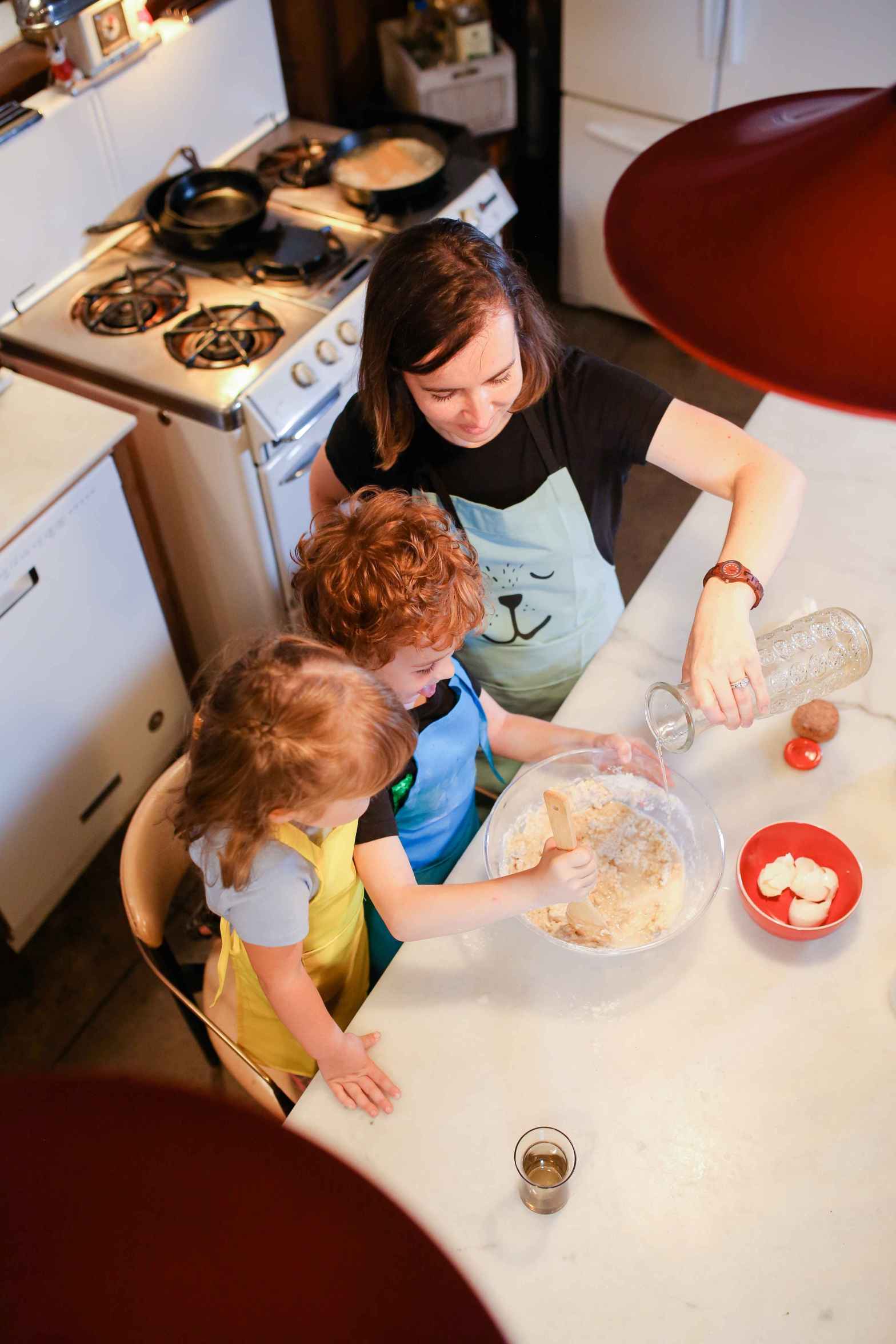
Teaching kids how to cook will take some simple prep work and flexibility.

Teaching kids how to cook also involves the right expectations, your time in the kitchen with your child can be an adventure you’ll both enjoy.

Cooking is undoubtedly an essential milestone in a child’s development. This is one perfect way to teach them about health, nutrition, and safety; it helps reinforce math and science skills and instills a sense of pride and confidence when they accomplish tasks and rise to responsibility. But take this as an encouragement to start teaching your kids (of any age) to cook because it is a fantastic way to bond with them. The moments you share making (and later eating) everything from cupcakes to pasta bakes will be some of your best memories – for you and your child. (Plus, when your child is old enough to cook independently and asks if they can make dinner, you can say, “Yes!” and take the night off!)

Want to teach your kiddo this critical life skill but need help figuring out how to get started? Here are some recipes and milestones to help.

For Little Ones: Zipper Bag Fruit Salad

Once you have cut up the fruit for this easy recipe, it is time to involve even your smallest chefs. Kids of all ages will love spooning ingredients into the bag, shaking it up, and pulling mint leaves off their stems for garnish. This is also one great opportunity to talk to them about health and nutrition — fruit is a healthy food that gives us the energy to run, jump and play!

For Beginners: Your Favorite Quesadillas

Kids have a short attention span, so quesadillas are an excellent recipe for a quick cooking lesson. You can also round up some ideas for fillings, but you can use whatever you have. Take a moment to teach your beginner cooks about safety (wash those hands before cooking! Stay back from the hot burner!) and then let them fill and assemble the quesadillas on a parchment-lined sheet pan. A grown-up can pop the pan into a preheated oven (under the broiler for about one minute per side) and make lunch or dinner. An alternative is to make the quesadillas and put them in a heated frying pan on medium heat and turn them to toast and melt.

For More Advanced Kiddos: Alfredo Shrimp Scampi Dump Dinner

Once our own kids are a little older and have a command of the basics, it is high time to start teaching them how to read a recipe and prepare their ingredients in advance. “Dump” dinners are perfect because, for the most part, you only need to add all the ingredients to a casserole dish and bake. This allows kids to focus and not feel overwhelmed — and plenty of time to play while dinner cooks. And, depending on their skill and age level, you can even start teaching them to use some handheld kitchen tools so that they can learn how to safely grate cheese, zest lemons, or chop veggies and herbs (with plenty of adult supervision, of course!).

For Kids Who Can Cook on Their Own: Slow-Cooker Sloppy Joes

Got a teen or tween who loves to cook and needs little to no supervision in the kitchen? Teach them to use appliances like the slow cooker. They can make the entire dish from start to finish, a major confidence booster! You should stay close and watch from a distance the first few times they cook independently. Keep the communication lines open and let them know they can ask questions anytime — but give them the space and autonomy to control the process.

For All Ages: Generations of Good Food

Eleanor Gaccetta’s a taste of home on “Generation of Good Food” is a compilation of nearly 200 recipes, including main dishes, bread, cakes, pies, cookies, and candy from the six generations of the author’s mother’s family, other relatives, and many of her friends. Ellie conceptualized the book after the death of her mother. She gathered all her mother’s favorite cookbooks and recipes, separated them by categories, and printed them at a local office supply store as gifts for her nieces, great-nieces, and a few close relatives. During the pandemic, she transcribed all the recipes, added stories of her memories of many, and had the book published. Aside from sharing easy-to-learn recipes, the author also tells some heartfelt stories of Italian life that brought families together around the table. Even if one does not have any skills in cooking, this book will pique the interest of everyone and urge them to cook, bake, and eat

Should You Choose Your Home or a Facility for Hospice Care?

After reading the Caregiver’s Journey book by Eleanor Gaccetta, it is clear that learning more about hospice care is important to take better care of our elderly parents.

In these trying times, when our parents grow too old or sick or are suffering from life-debilitating illnesses or diseases, it can be very, very difficult to find a solution on how to take care of them in their later years, especially because by the time comes, you’ve perhaps already had a life entirely separate from them, a family with children to take care of or other important obligations you cannot force yourself to extricate from. 

While it may sound simple to take care of your elderly parents, you will be singing a different tune after reading the Caregiver’s Journey book by Eleanor Gaccetta. Taking of one elderly parent is quite taxing on its own; imagine that you have to take care of two—and that is without considering the other factors that are undoubtedly in play—which is why hospice care is becoming more popular as time passes by. 

What is even hospice care anyway?

Hospice care is another kind of health care that is more niche, focusing entirely on providing comfort and assistance to someone so that they are able to maintain a certain level of quality of life. This is especially important to patients who are nearing the end of their lives or are suffering too much that they need highly specialized personal care. 

Unlike traditional healthcare, which focuses on either preventing or curing disease and prolonging the patient’s life, hospice care’s only goal is to offer support and make sure that the patient lives their life as painlessly and as comfortably as possible.

My Thoughts on the Matter

Now as I see my parents growing older, I have to sit down and think about a lot of things—and the thing that keeps coming back like a bright light is the question of how I should take care of my parents. 

I would like to take care of my parents, of course. They raised me, and it’s only moral that I take care of them in return. But there is a mountain of considerations I need to go over on how. When it comes to hospice care, there are two ways to go about it: 

  • Have them live at home with me and my family, and we take care of them until their final moments; or
  • Have them stay at a hospice care facility and let professionals watch over them.

At first glance, one sounds better than the other—but that is not entirely the case. Each has its own benefits and downsides. If it was objectively the case that one was indeed better than the other, I would not be having this problem—as would a thousand other families all over the country.

That is why to help myself and others who might be struggling with the decision in the future, and I made pros and cons for both hospice care at home and at a facility.

Hospice Care at the Home

Pros of hospice care at home:

  • Many older people, like my parents, would love to spend their twilight years either with family or simply within the comfort of their own homes.
  • In-house hospice care is often less expensive compared to placing your parents inside a nursing home.
  • Keeping your parents or older relatives at home means you are more immediately available if any issue arises.

Cons of hospice care at home:

  • If you are going with hospice care at home, more often than not, the caretakers will be members of your own family—while that sounds nice, they are often untrained in caregiving.
  • Not every home is conducive to adequate hospice care. Not everyone can afford to renovate their home to accommodate a dying individual.
  • While family-specific decisions can be made quickly, more medically inclined ones may be harder because of the absence of professionals.

Hospice Care at a Facility

Pros of hospice care at a facility:

  • A facility that is specifically catered to hospice care will undoubtedly be more equipped to deal with it, from specialized rooms and equipment to highly trained professionals working around the clock.
  • The presence of professionals means a wider pool of expertise and support, whether it is practical or emotional.
  • Hospice care facilities are fully capable of providing care for their patients 24/7.

Cons of hospice care at a facility:

  • While a facility sounds nice in conversation, it is very expensive in practice, although some healthcare providers might be able to avail of some assistance.
  • Facilities are often located far from the cities and might require planning and scheduling to conduct a visit.
  • Patients might feel isolated or anxious living in an unfamiliar place, which may lead to the quick deterioration of their conditions.

Questions to Ask

While I have made my case, it is by no means an easy thing to consider–and there may be things that I blew over or did not even consider. 

But, if you are already at the point of choosing, these are some questions you might want to ask yourself before deciding:

  • Have you asked the patient’s thoughts?
  • Have you considered what your family can offer?
  • Have you inquired about the services in your area?
  • Have you weighed the cost of either possibility?

Ways to Reconnect with Our Authentic Selves

Photo by Peggy Anke

Finding ways to reconnect with our authentic selves is something that we must do regularly.

Chet Shupe, author of Spiritual Freedom Press, values the significance of being able to be yourself. According to him, if we ever want to reexperience the contentment of brotherhood and sisterhood, we must reconnect with our nature.

Every person has an authentic self at their core, which is the aspect of them that lives passionately and with a purpose. But it can frequently feel like we are straying away from this actual self as we age and take on more challenging duties and responsibilities.

It’s a fortunate circumstance that there are ways for us to reconnect with our nature. Today, we’ll look at those ways and share them with you.

Take Baby Steps — It’s About the Journey, Not the Destination

We frequently believe that living genuinely entails leaving our day jobs or moving to a remote island. Not that these aren’t worthwhile goals or possibilities, but the majority of the time, it’s modest, everyday adjustments that help us start discovering our true selves.

Consider the outfit you choose for tomorrow morning, the meal you choose for lunch, and even the workout you desire. Every decision you make allows you to stay true to who you are. Let go of what’s trendy and follow your instincts.

Practice Honesty for Yourself and Other Individuals

Whenever we feel like we aren’t leading the life we hoped to see for ourselves, it’s because there is something we aren’t being a hundred percent honest about. Although it is among the most challenging things we ever do, it’s crucial to leading an authentic life. Remember to start modestly.

When your partner or friends ask wherever you wish to go to dinner the next time, give them the truth instead of what you think they want to hear. Although it might seem insignificant, each time we are open and honest about our desires or feelings, it gets easier to be open and honest about greater issues. This also makes it easier to reconnect with our authentic selves.

Honesty is one of the simple ways for you to be happy. Similar to reconnecting with your nature, honesty brings joy and peace of mind. Chet Shupe encourages people to always reconnect with their authentic selves whenever possible.

Reconnect with Our Authentic Selves by Recognizing Our Passions

Start identifying the areas of your body that want more nourishment. If you look further, there are many activities you enjoy doing but refrain from doing because you think you don’t have the time, money, talent, etc. Attempt to create a list of the things that makes you happy, regardless of how “insignificant” they may be.

Mention any pastimes that you eagerly anticipate engaging in. Just write down whatever ideas you have without giving them much thought.

Learn to Release Things That Waste Your Time

It’s critical to consider your life priorities when you feel like you aren’t leading the life you are supposed to. Once you’ve done that, you may assess whether or not it parallels with what you are or pushes you further away.

Supplant unfulfilling activities with ones that make you feel happier and more fulfilled. Look back at your list for inspiration if you run out of ideas.

Rediscover Your Inner Child and Take Them With You

Look back to when you were younger if you’re having problems finding things to make you happy. The things we enjoy as children or teenagers frequently indicate what we lack in our adult lives. Use these recollections to help you learn more about your true self and pinpoint areas for improvement.

Take Care of Your Physical Body

Our bodies frequently show us when we aren’t being authentic to ourselves by experiencing tension, stress, and even pain. The inverse is also accurate. We experience ease, happiness, and lightness as we are living truly.

Please pay attention to what your body tells you because it is always truthful. Try some soothing oils and other remedies if you’re having trouble calming your mind and body because you’re stressed and irritable.

In a time where everyone feels more disconnected from themselves, the quest to reconnect with our authentic selves is becoming more urgent. Living life to the fullest will always revolve around being who we genuinely are. May these ways help you on your journey of reconnecting with yourself.

Chet Shupe and his book, Spiritual Freedom Press, can also help you reconnect with who you truly are. Visit his website by clicking here and grab a copy of his book today!

Being a Positive Role Model for Children

Photo by William Fortunato

Making sure you are a positive role model for children is important for their growth and development, and parents are the first to carry out this valuable task.

Charlene Turner, the author of “Sun-Lion,” teaches children the real value of confidence and self-love. She guides them on how to grow into their best authentic selves. Parents can also learn something from Charlene’s book and its lessons.

The reason why kids need a great role model is because they are still growing. Children will often struggle with their self-esteem as they become older. Although parents consistently remind their kids of their worth, their children may find it hard to believe.

But why do kids develop low self-esteem?

The Beginnings of Low Self-Esteem

Kids are extremely sensitive and observant of their surroundings. They put plenty of value on the opinions that other people have. Believe it or not, they’re also very worried about everyone’s perception of them.

Since young ones don’t know who they are yet, they often base their self-esteem on the outside validation or achievements they attain. However, those who do this are bound to struggle to see their worth. They usually believe their value depends on one’s social status or performance instead of seeing it as a fixed aspect.

Doubting one’s self-worth is a slippery slope, frequently leading to a person doubting their ability to succeed. Youngsters who don’t believe in themselves often struggle with anxiety, attachment issues, depression, and low self-esteem. By being good role models, we can help children find their self-esteem and love themselves.

How to Become the Finest Role Model

It’s no secret that children learn things by copying those around them. Adults and parents can become the best role model for kids by treating themselves and others with love and respect. Parents play a vital role in increasing their children’s self-esteem, making them realize they are worthy and loved.

With that said, check out the ways we can aid children on their path to having a healthy amount of self-esteem below:

• Make Time to Prioritize Yourself

Making time for oneself is the most challenging thing for parents to do. For parents, this doesn’t mean you’ll put your needs and children aside. This means that parents must incorporate self-care into their daily routine.

Things like giving yourself a rest, setting boundaries, and saying no when you don’t want to do something. It also includes knowing one’s worth as a parent, making your relationships work, and deciding how you wish to be treated. By doing this to yourselves, your kids will copy the good practices and attitudes they’ve seen from parental figures.

• Let Yourself Feel

While many emotions might feel overwhelming, not all of them are bad. Many parents believe their children must not see them at their weakest because they think it’ll tell their kids that they are indeed mature. But the reality is that it often sets an unrealistic precedent of “feelings should be avoided like the plague” or that having emotions is a mistake.

Now, emotions can be excruciating. But by allowing ourselves to experience various emotions around our kids without expecting them to fix us. This shows children that being vulnerable and feeling emotions is perfectly fine.

The “Sun Lion” by Charlene Turner also encourages kids to do the same. To be emotional, vulnerable, and strong. All thanks to parents who knew how to positive role model for children.

• Don’t Expect that You Are Perfect

Setting goals for one’s sake is crucial for living. However, being forgiving and kind’s also valuable when things don’t go your way. We understand that parents have high hopes for their children, but obsessing and believing they can be perfect is unrealistic.

This doesn’t necessarily imply decreasing your expectations; it just means being more accepting of the outcome. Not her achievements, but her efforts deserve praise. This fosters confidence that lasts longer.

The excitement of watching your kids grow and be successful is one of the greatest experiences of being a parent. Charlene Turner understands this excitement, so her book “Sun Lion” is significant for parents and children.

We hope that this post will help readers be positive role models for children. If you wish to read Charlene Turner’s book, click here to be routed to her site and purchase a copy!

Talking About Time Travel Usage in Fiction

Photo by Jordan Benton

In The Portal of Time of the Branchview Saga, time travel features heavily. This trope has always been a crowd favorite. We explore why and how time travel works in stories.

Time has always been a fascination of people everywhere around the world. What is it? How does it work? Can we control it? So, it stands to reason that we like to incorporate into our stories, if we can (at least, those of us who write stories). A recent example I encountered was reading The Portal of Time book of the Branchview Saga, where time travel is central to the plot and was actually an inciting incident if I recall correctly. Regardless, this is just one example of how time travel can be found in any number of stories. While people think of time travel as strictly a science fiction trope (blame H.G. Wells for that), it is actually a very varied and versatile trope–it can be used in the genres of comedy, romance, slice of life, and more.

How is Time Travel Used in Fiction?

Primarily with fiction, time travel is a plot driver, a vehicle by which authors can try to explore other possibilities in their story and depict typically “what-if” scenarios. This helps in establishing an entertaining and thought-provoking premise. Here are three scenarios in which time travel is commonly used across fiction:

Visiting Important Past Events. The world in some stories is quite extensively established: with interesting histories and timelines. The backstories of some characters are equally promising and interesting. Yet, the events of both are typically only mentioned or drawn upon–perhaps they are portrayed in flashbacks–but one thing is for certain: it is a creative faux pas to expand upon them without harming or detracting from the main plotline. 

One way writers can explore backstories and flavor text is by using time travel. If this little tidbit of in-universe history is very interesting, time travel is the only legitimate way that your roster of characters can meaningfully and properly engage with them. Of course, simply finding a way for your characters to go back in time is too much a contrived sequence, and so deliberate steps must be made to ensure that their travel to the past is something that needs to be done and is integral to the plot (a la Avengers: Endgame).

Portraying Various Time Periods. While the time period you may have chosen for your story might be cool and awesome, it is safe to say that there are others that are equally as wonderful or better than the one you finally settled on. This is where time travel comes in: by introducing an element of time travel, showcasing these other time periods becomes much more palatable and compelling for the audience. 

This also has the added benefit of making the built-in history of your world clearer and more established. What were once just throw-away lines of exposition becomes more concrete and engaging (although this might take away from the mystery and speculation of things, so do things at your own risk!)

Exploring What-If Scenarios. Something that is gaining traction (especially after Marvel’s What-If series) is the idea of alternate possibilities. You see when working out a plot and key moments in your story, there is only so much you can do. You might have wanted this one thing to happen, but it would skew your story too much, and you only have too little time to follow that thread. 

By using time travel not only as a tool for your protagonists but also as a tool for your antagonists, you can revisit important and key events and look at them from another angle. You can also expand this further and potentially recreate the timeline and background history of your world.

What-If scenarios are brilliant ways to create variations of your story without having to necessarily destroy the main or first one.

Why Is Time Travel Popular Anyway?

For authors of a more esoteric bend, time travel is a way to explore the nature of time (Is it linear? Cyclical? Permanent? Malleable?) and the reality of choosing (Are the cosmos based on determinism? Libertarian free will? Or perhaps, compatibilism?). 

Time travel, especially in alternate history fandoms, is a great way of expounding upon “For want of a nail” events (which are moments in history where the outcome can be more or less pegged upon a single factor).

For readers themselves, time travel presents a suite of tropes that just makes for compelling and entertaining stories. 

Design a site like this with WordPress.com
Get started