5 Reasons Why Climbing Mountains Can Enrich Your Life

Photo by Muhammad Syahroyni

Grab your boots and take a hike. The benefits go beyond your physical health.

Mountains are so unique; they have such magic to them. It could be a fact they can be so dangerous, or it could be because they make us feel so small. Even if you do not even climb them, they call to you.

The sport of climbing mountains is called mountaineering. It could also be known as slow walking uphill while not feeling very well, with extended periods of intense boredom, often interrupted by moments of sheer horror. You might think there is very little sense in mountaineering, but one thing binds this community together and what all mountaineers seek: ADVENTURE! For mountain adventurers, the mountains are their home, as they spend a lot of time in the hills appreciating what they have in life. For them, being in the mountains can make life healthier; on second thought, what about climbing to the top of those mountains? Below are a few ways in which climbing mountains can help everybody.

Five Reasons Why Mountaineering Can Improve Your Life

1. The Physical Fitness and Health Benefits Are Huge. Not only will you build incredible endurance and strength from mountain climbing, but you will also observe that your diet has improved. Fast foods are not readily available in the alpine, so you will find that you will have to pack snacks and lunches. 

You will also find that unhealthy food will not aid you appropriately. The work involved in climbing and hiking demands a proper diet. The altitude helps your lungs to become stronger, and the hurdles become minimal every time you hike. Plus, there is a lot to learn from exercising in nature.

2. You can see places very few get to see. We can all see pictures of these places, and we can take a long time to go to these places. However, working on getting to these areas cuts many out of the crowd. The effort and time required to climb a mountain can be task-consuming for most people.

But when you do make it to the peak, you can be assured that you are one of the few who made it up there and can revel in the rarity and beauty of such a view. The good thing is you’re 100% guaranteed a fantastic view from the top of a mountain (unless it is a foggy or smoky day).

3. You will meet the most amazing people you call friends. Hikers and Climbers are an excellent breed of people. They are all solid, confident, and positive, and they are all happy. 

The best thing about mountaineers is that they all have the same goals, to get to the mountaintop and to bask in a day of nature’s beauty and exercise. Life-long friends can be made this way. 

4. Climbing mountains will teach you persistence, gratitude, and patience. Mountain climbing is the furthest thing from easy. Route finding and tricky and exposed climbing can get the best of your cognitive abilities. It may take you several attempts, hours, and months, but you will take the time and know that you can be victorious in your climb. Once you have done this, you will realize what all the fuss is about. It is like reaching a goal, fulfilling a dream, and figuring out that you can do anything. It is an addictive feeling that no one can adequately explain and one that you have to experience.

5. They will teach you about change and being prepared for it. Spending time in the mountains lets you know that the weather changes in a snap of a figure, so be designed. Every mountain is different, and the same is with time and route. These mountains will teach you that things are constantly changing, and you must find another tactic to overcome the change.

Climbing mountains can be the greatest and the worst thing you ever do in your life, but at the end of it all, you usually want more of it no matter what. Check out Mr. Goldman’s book of Mountain Poetry as he summarizes much of what he learned in his more than thirty years of climbing.

Patriotic Fire in the Heart: Courage and Valor of the Common Soldier

D. M. DeWald’s Grey Feathers: Led by Love of Country is a compelling book about the 3rd Battalion 12th Infantry 4th Division’s bravery and heroism in one of recent memory’s bloodiest wars.

Though primarily a book about the 3rd Battalion 12th Infantry 4th Division and their exploits during the Vietnam War, Grey Feathers: Led by Love of Country, by Daniel M. DeWald, is also an impactful, sobering testament to the ardent valor and hopeful courage of the average soldier. 

Imagine

Armed only with your rifle, clothed in green, a helmet over your head, and only your fellow behind you, and onward, marching to war with the hopes of country and family on your back.

Those are the duties of a soldier in a war.

They do so with the thought of family and country beating inside their hearts.

And there should be great respect for their inspirational actions, but now in these contemporary times, soldiers are derided and played as political pieces instead of genuine appreciation. 

Even now, fewer people dare to sign up and bear the struggle of their homeland.

The Necessity of the Soldier in Modern Times

In an ideal world where peace reigns and nations embrace their neighbors with open arms, soldiers might be an odd anachronism, a reminder of a more savage era, but such is not the case. All over the world, conflict sputters and blazes, like wildfires, appear suddenly and, sometimes, without warning.

So, the army is still needed, ever a pillar in these trying times. The soldiers–the brave, young men and women who have no compunction in laying down their lives for their beloved home, acting as the first line, the barrier between whatever comes and their families, friends, and communities.

The Patriotic Heart inside Every Soldier

Inside every soldier’s heart is the conviction of a selfless patriot. What is more patriotic than offering up your life to the country you live in and surrendering yourself to become an instrument of its will? 

Although they might be misused and abused, it is always a country’s grace that a soldier stands to protect it against its enemies. 

The Surprising Wellspring of Hope Found in War

War is one of the most horrid things humans have ever invented. In war, the most terrible atrocities are committed, and the vilest horrors come to fruition, but war is also the forge of heroism and compassion. Paradoxically, amid unrelenting oppression and misery, greatness blooms and inspires those in its wake.

But what makes greatness?

Does one’s ferocity define greatness? Or is it one’s ingenuity? Who is greater? The man who has killed all his enemies? Or the person who dies but has given time for his friends to escape?

Greatness is not simple, but it can spring from blinding valor, the impetus not to concede or surrender, and the immense courage to face your deepest and darkest fears.

In short: greatness is not being obstinate but principled for a cause beyond yourself.

In short: greatness is not being without fear but being afraid but still pushing forward.

Day in and day out, soldiers are full of bravery and courage; these burn intensely in their hearts, propelling them to acts of greatness and heroism.

Bravery and Valor in the Vietnam War

Although the Vietnam War was not the best showing for the United States military, there were still shining examples of bravery and courage among the soldiers that participated in its fronts.

Just from the onset, nearly three-fourths volunteered to serve, contrary to the popular myth that the majority were drafted. These brave soldiers were rearing to fight for freedom and democracy.

Hundreds of soldiers stood up during the war. They all went above and beyond for the founding principles of the United States of America, fighting against tyranny and upholding global norms. 

A Reminder of the Greatness of Soldiers

Suppose you’re looking for a good read and an excellent nudge to remember the respect soldiers and veterans deserve. You need Grey Feathers: Led by Love of Country by Daniel DeWald on your shelves. 

Grey Feathers narrates the story of a military troop conducting itself selflessly against the backdrop of a terrible, bloody war. Within its pages, you’ll learn how soldiers act under pressure, work themselves with dignity and prevail against the odds.

Books For A Better Planet! 7 Friendly Reads For Kids

Photo by Mikhail Nilov

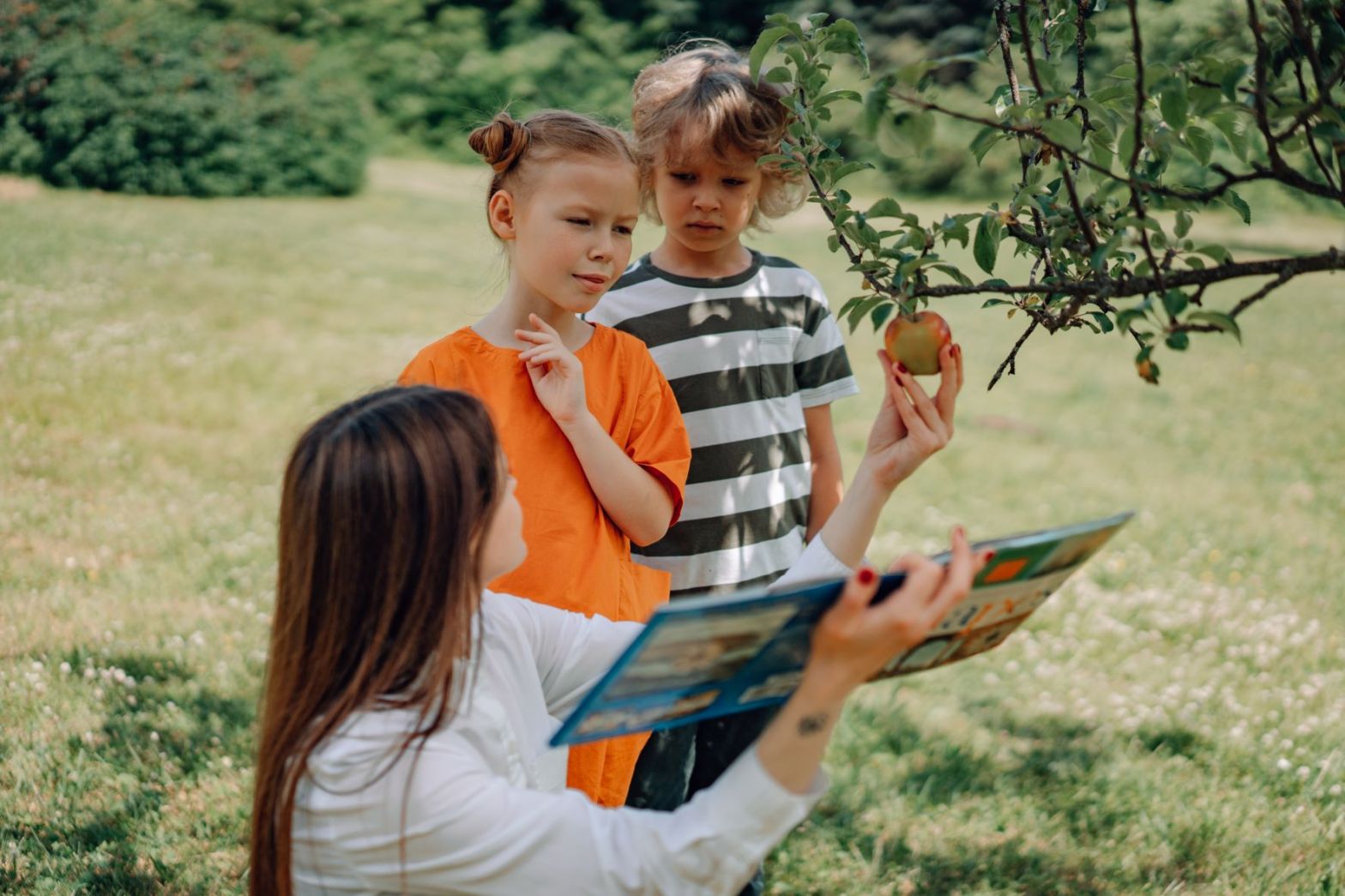
Whether it is Earth Day or not, you are probably searching for ways to demonstrate to your little dears why taking care of the environment helps preserve a better future for the next generations and the vibrancy of planet Earth. 

Kids appreciate our planet and its precious resources when they can touch, feel, and see the natural world. When they are not outside, children can still stretch their understanding of nature through books that treasure the wonders of the world around them. Whether for every day or Earth Day, here are some fantastic children’s books that facilitate love and stewardship of planet Earth.

Below are some close reads for children for a better planet Earth.  

Seven Must-Read Books For Kids For A Better Earth

Easter: McEaster Valley. This children’s book by Walter Hoge celebrates the value of a brave and generous heart. He encourages readers to ponder the majesty of Mother Earth in this brief story and picture a remarkable life well lived without compensation. This fascinating parable leads him and his dog in transit through an otherworldly valley into the Sierra mountains, bringing them to a far-off place where a stranger guides them deep into a mountain cavern and another world. It is a spot of serenity, tranquility, and remarkable elegance. It is a spot that Hoge wants to abandon once he returns to the foothills at dawn and makes his way home. In this, he inspires readers to consider decisions based on the inherent order of events in their lives rather than individual ones based on desires or whims. Dedicated to his children, Hoge’s universal message is that, yes, the wealthiest life anyone should expect is to live a life of commitment without any expectation of benefits or monetary benefit.

Saving American Beach. This beautiful story written by Heidi Tyline King is about an environmentalist from being an opera singer who saved a beach. When MaVynee was a girl, most beaches were for white people. So her grandfather bought American Beach and made it into a space where African Americans could relish its sunny shores. MaVynee works to preserve this vital piece of her history when the beach falls into disrepair. Combined with Holmes’ gorgeous illustrations, this book tells us that we can all impact the world around us.

Wonder Walkers. In this stunning book, Micha Archer combines gorgeous collage illustrations and poetic language to encourage readers to explore nature’s many mysteries. After reading, children (including parents, too!) will want to get outside and launch on their wonder walk!

Don’t Let Them Disappear. Fresh from her bestselling picture book, She Persisted, Chelsea Clinton turns a thoughtful and keen eye to the plight of endangered animals across the planet — and what one can do to save and keep them from disappearing. Full of endearing facts about beloved creatures, it is an eye-opening read for animal lovers everywhere.

The Water Princess. Before being a supermodel and activist, Georgie Badiel walked miles daily with a heavy pot perched on her head to bring home drinking water for her family. Daniel grew up in Burkina Faso, one of many places that lack clean drinking water. In striking spirited prose and illustrations, this book will deepen kids’ awareness of a crucial environmental issue.

Here We Are. Written as a literary welcome to the world for Olivers Jeffers’s newborn son, Here We Are is a beautifully illustrated guide to living on Earth and being a good person. Jeffers walks little ones through the infinite wonders of our world — from the sea, land, and sky to animals and people of all sizes and shapes. He ends his tour with a gentle reminder to look after Earth, as we’re all on this planet together, and it’s all we have.

The Magic And Mystery Of Trees. Did you know trees take care of each other and the whole forest is connected? Before I read this book, I did not either. The Magic and Mystery of Trees take kids on an appealing journey of exploration, showing them just how unique these mighty organisms are. This gorgeously illustrated book will give you a new appreciation for a tree’s impressive capabilities.

Grab a copy of these books and enjoy reading to your little totes!

Get A Grip: Crimp Climbing Grips That Suits You

Photo by Rodrigo

Mountaineering, often known as mountain climbing, is the sport of climbing peaks and mountains. Competing against yourself is the best way to be better than you were yesterday.

As one of the most extreme sports, mountaineering requires skills, determination, and proper equipment. It challenges a climber’s mental and physical limits but can be an incredibly gratifying experience.

The different terrain characteristics of a mountain can make it challenging to navigate. The high altitude and the extreme weather conditions are two additional risks that may contribute to difficulty in mountaineering, so these issues should be considered before a climb.

A mountaineer’s experiences, skills, and abilities are crucial to success. Also, the mountaineer’s equipment is vital in determining safety and success. This is one sport that requires both bravery and skill, but the rewards are well worth the challenge! 

In Mr. Goldman’s book of Mountain Poetry, he specifically conveyed that a climber, in particular, creates human meaningfulness and performs the ultimate existential act by climbing a mountain, an activity unique to human endeavor. Thus, by force of will, the climber creates something out of nothing by infusing the mountain with the stamp of the climber’s personality and experiences. See his Poem, Being and Nothingness, on his Book, Reflections on Mountaineering, A Second Revised and Expanded Edition.

Crimp Climbing Holds

Rock climbing is an excellent choice for those who love mountain climbing and want to develop the thrill factor. And knowing the best climbing-specific grip techniques will help you prevent severe indignities.

Technically, only a few minor muscle groups in your body bear most of your weight in rock climbing. As a result, your climbing skills and style will direct the type of grip that suits you best.

For those who want a climbing challenge, the half-crimp and the full-crimp grips are among the most demanding and technical climbing grips. Continue reading to learn more about these two grips and how to use them for climbing.

Crimp climbing is a technique that relies mainly on hand and finger holds. Crimp grips are usually done on small handholds with just enough room for your fingertips. The main difference between half crimp and complete crimp is the placement and use of your thumb.

Half Crimp. To increase your touch with the grip, you bend your middle knuckle at 90 degrees in half crimp. Strong fingers are crucial in half crimp since they’re your source of hold and your means of moving your body forward. When using half crimp as a grip technique, your thumb must remain in its natural position near your index finger. The thumb should not exert any force on the climbing surface. Using only your index, middle, ring, and pinky fingers would be best when doing the half-crimp. According to seasoned climbers, the half crimp has a lesser risk of hurting your finger joints and tendons than the full crimp grip.

Full Crimp. To increase your touch with the grip, you bend your middle knuckle at 90 degrees in half crimp. Strong fingers are crucial in half crimp since they’re your source of hold and your means of moving your body forward. When using half crimp as a grip technique, your thumb must remain in its natural position near your index finger. The thumb should not exert any force on the climbing surface. Using only your index, middle, ring, and pinky fingers would be best when doing the half-crimp. According to seasoned climbers, the half crimp has a lesser risk of hurting your finger joints and tendons than the full crimp grip.

How To Climb Safely Using The Hal And Full Crimp Grips

Knowing how to be safe when using grip techniques is critical, whether you are a first-time climber or have completed several climbs. Here are some safety recommendations for you!

1. Warm-Up. Warming up before climbing can prepare for the challenge and significantly reduce the risk of injury. FIngerboard warm-up will also help you avoid injuries and find the appropriate and natural position for your crimping fingers.

2. Get A Climbing Instructor. If you are a beginner, seeking assistance from a climbing teacher, or knowing someone who is a seasoned climber can assist you in developing a training program to improve your finger strength. Learning the right half-crimp training exercises can also avoid incorrect finger and wrist placement.  

3. Pay Attention. Knowing how your hand and wrist should feel during practice when crimp climbing is vital. You can lessen hand injuries by resting when needed and practicing good writing and finger orientation while climbing.

Concluding Peak

Crimp climbing is one of the most challenging climbing styles, and it can result in significant injuries. However, learning how to use crimping properly and seeing how far you have come as a climber will make you feel satisfied.

Ultimately, it would be best if you only used the half and full crimp when you needed a quick boost for speed and strength. Repeated use of either grip is physically taxing and can lead to severe hand and wrist injuries.

Have fun conquering that next peak!

Why Your Child Needs a Dose of Grow, Glow, & Go Foods

Photo by Alex Green

Getting that perfect diet can be challenging in a world saturated with fast-food chains, sugary sweets, and oily dishes. But when it comes to children, people should not (and must not!) gamble away their health by NOT eating the right nutritious foods. 

Okay, this might sound cliché, but everyone needs to have a healthy diet, especially children. 

Those green leafy vegetables and legumes of nuts and beans served a higher purpose than just being a mere level up in beautifying a meal décor. Those fruits and berries possess an ultimate reason for being more than just enhancing a person’s flavor palette and giving color to dish plating. And yes, even meats such as lean beef and chicken breasts bring more to the table than just filling up the diner’s stomach. 

All of these foods classified as healthy bring fantastic benefits to people, specifically kids. 

Before we dive into the gist of what kids can benefit from a healthy diet, let’s break down the food type into what’s commonly known as Grow, Glow, and Go foods

Why a Child Should Eat “Grow” Foods

Grow foods are defined as foods that build and help develop the muscles. These are elements of a meal that are high in protein and aid children in growing and staying strong. These foods are needed if your kids want to grow strong and resilient bones, teeth, and muscles. 

Growing foods include meat, poultry, fish, eggs, dairy, beans, and nuts. 

Why a Child Should Eat “Glow” Foods

Your glow foods are brightly colored fruits and vegetables packed with vitamins and minerals that strengthen the immune system and maintain good eyesight and healthy skin. Especially during the raging COVID-19 pandemic, a robust immune system is a must for kids. 

Why a Child Should Eat “Go” Foods

For an active and energetic child, give them “go” foods. Go foods are considered the fuel provider to the body. These are dish elements high in carbohydrates and mainly consist of grains or starchy foods such as bread, rice, oats, or pasta. So, if you want your child to maintain energy and stamina throughout the day playing and studying, you know what to do! 

Payoffs of Having a Healthy Diet

Now, let’s dig deeper. 

There are many benefits a child can gain from having a healthy diet besides the ones mentioned above. As a general theory, the food a person eats is ultimately reflected in their overall well-being, which could include – aside from their physical health – their mental and emotional health. 

So, if children live off of nutritious meals, they generally live more positive and healthier lives than those who are not eating right. A healthy diet doesn’t only mean eating the right foods; it also pertains to the right amount or quantity of servings. 

Read on to learn more about the benefits of a healthy diet for your kids. 

Normal Development 

Normal development covers a child’s growing phase, including height, weight, and shape. A nutritious meal serves as a supplement, a support base that helps push for the child’s body-needed development. For instance, healthy food ensures a child receives sufficient calcium and vitamin D for strong and healthy bones. 

Bingeing on low-nutrient foods will likely produce adults inclined (if not already) toward obesity. A proper proportion of healthy foods can lead to a balanced weight. 

Supports Mental Health Development

It’s advisable to start them young when it comes to healthy eating. These actions of striving towards consistently eating nutritious foods become a discipline that later on turns into a habit and is ingrained into a child’s lifestyle as they grow into adulthood. 

Good mental health begins with an excellent lifestyle, which should include having a proper diet to support brain and heart activity. There is an exciting link between the physical body, brain, and heart; if one of them gets sick, it eventually affects the rest. For instance, if your body is sick, your mind takes on this dull and weary toll that’s feeling the impact of the body. And if the mind is affected, the heart also takes on the effect by getting impacted by the feelings of stress, anxiety, and even depression. 

Instill a Good Habit

It’s all about habit, too. Training a child to start liking, no, loving those green leafy veggies, fruits, nuts, and lean meats will help them become responsible individuals later in life. Remember that when a child is born, they don’t have any preference for the type of food they want to eat – none, zilch. Their tastes are like a blank piece of paper that gets filled out depending on the influence they get from the environment. 

If you start them off at a young age liking nutritious foods despite the taste, they’re sure to become resilient adults who can face whatever challenge life throws. 

Getting On the Right Track

How a child turns out as an adult is determined by how they were raised and exposed to as a young child. Like being able to communicate appropriately, talking and interacting at a young age is equally important, just as author Jo Ann Gramlich describes in her book Talk, Play, and Read with Me, Mommy

So, do you want your kids to grow up as responsible and healthy adults? Then, start them young with a healthy dose of their grow, glow, and go foods!

Reignite Your Cooking Passion

Photo by Malidate Van

Although it’s normal for you to feel uninspired and less motivated than usual when it comes to cooking, it doesn’t mean you have to stay this way forever. Learn more about how you can rekindle that love for cooking once more. 

Here’s a question: how and where do you find inspiration to cook? 

We all sometimes face a bump on that road when we’re tasked to prepare a meal. That bump is often an obstacle we’ll name “cook’s fatigue.” It’s a normal reaction, and it’s something unavoidable. If writers face that time from time block of thoughts or ideas to come up with topics to write about, cooks also experience that kind of blackout. Whether they’re weary or too tired to pick a spatula and a pan, one thing is for sure: the inspiration and motivation to cook are no longer there.

Many things could trigger this predicament. But if you’re hired to be a cook and are expected to whip up a delicious meal, then being uninspired and demotivated has no place in your world right now, and you need to do something fast about it! 

Overcoming that “Cook’s Fatigue”

A cook’s fatigue is unpredictable. It’s like a deadly thief in the night, and you, never knowing when, where or how it will strike you. Before you know it, you’re getting restless when you’re in the middle of a cooking process. You lack the interest in conjuring up beautifully designed pastries. Even that walk towards the grocery store for the ingredients is beginning to feel like a menial chore instead of a labor of love. 

You can prepare for this fatigue by coming up with preventive actions, but once it’s already there, right in your face, what do you do to overcome this burdensome barrier? 

Time-Out

Step back, take a breather, and go for a time-out. A cook’s fatigue is often the upshot of getting a burn-out from work. Cooks are also subject to stress and exhaustion. Sure, you enjoyed your job in that five-star restaurant, and you love every moment of rubbing elbows with those VIPs who come to dine. 

But the fast-paced job all of a sudden becomes too much, and the pressure of producing the time most pleasing and high-quality dish is getting to you. Before the fatigue takes over, why don’t you step back and away from it all? Put away that chef’s hat, get out of the kitchen, and step into a different world where time can slow down enough for you to enjoy. 

Join a Cooking Competition

One of the best ways to jumpstart that motivation to cook once more is to join cooking challenges. You may be a stay-at-home mom and somehow find yourself stuck in a rut of a dull cooking routine for your family, who are the eat-in-a-hurry type and hardly notice your effort to make your dish look like it stepped out from a cookbook. 

 Yes, it’s enough to motivate anyone. Try signing up for cooking competitions. A good challenge can help you shift your focus and provide an outlet for your energy and stamina to whip up an exciting meal. You may win the competition and rekindle your desire to return to your own kitchen.

Upgrade Your Kitchen

It could be that your kitchen is uninspiring. Your cooking and baking utensils and appliances may be outdated and the environment is not bright and conducive to wanting to cook and bake.

Here’s an idea: why not give your kitchen a makeover? 

Many benefits come with overhauling and remodeling your kitchen. First off, a makeover can increase your storage space, which is a necessity for cooks. Appliances such as your stove, or refrigerator may not be functioning well or be energy efficient.  Remodeling can also help improve or boost the space’s functionality and energy efficiency. Remodeling can also help improve or boost the space’s functionality and energy efficiency. Best of all? It’ll give you that level of comfort and aesthetic pleasure or enjoyment needed to come up with fresh ideas to produce innovative meal menus. 

Follow Trending Recipe Ideas  

If you’re fresh out of new concepts in planning recipes, try following cooking influencers or bloggers on their social media. Pinterest and Instagram are excellent places to start getting food inspiration. These platforms are significant for visual photos or videos so their audience can get more than just a 3D view of their food creations. Follow influencers with a large following with positive reviews, and try mixing and matching or experimenting with dish concepts based on these influencers’ designs. 

Join a Club or a Cooking Community

Belonging to a community or a group that shares your passion is another way to keep that cooking fire alive and burning inside you. Having someone to talk to who can relate to your challenges and victories in the kitchen helps improve your sense of well-being and can help you cope with your cooking stress. 

Use the Best Tool for the Job

A good and inspiring cookbook is an effective tool against any cooking fatigue. 

In the book Generations of Good Food, we love how author Eleanor Gaccetta turned cooking and baking into an enjoyable art with easy and fun-to-follow recipes. The cookbook is a compilation of nearly 200 recipes that fit any occasion. Best of all, it is an excellent example of how a cookbook can give that push and inspiration to cross and overcome that barrier of a cook’s fatigue.  So, put on that chef’s hat, and reignite once more your cooking passion – the one that comes straight from the heart!    

Building Stronger and Happier Families

Photo by Agung Pandit Wiguna

Where does the importance of a family unit fit in today’s society? Is it still relevant that people should protect and cherish its value?

Families come in all different shapes and sizes. Although a “family” is commonly defined as a relationship between individuals connected by blood, marriage, or adoption, modern times otherwise gave this kinship word a whole new and level-up meaning. The word family now extends and is defined beyond direct blood and extended relationships. Nowadays, so long as a person you’re close with calls you part of their family, yes, that is another type of family. 

A family can be a group of friends or a close association with individuals who share the same perspectives as you. People can also call you a part of a family because of an offshoot of a particular incident that led an individual to embrace you as part of their group.  

The family now is defined more as a feeling, an impression, an emotion that people could link to those warm and cozy feelings, that feeling of being comfortable, accepted, contented, and satisfied. 

How important are families?

The impact of having a family should not and can never be underestimated. A family could do wonders for a person’s overall well-being, especially regarding their mental health. Once you learn about the significance of being part of one, you’ll start appreciating more and more those people whose presence you unintentionally take for granted and come to be more grateful for these people in your lives. 

Sense of Belongingness

“No man is an island.” – is so true in every way. Not that this is an idea stemming from a romanticism concept pushed by what literature defined what belongingness should be. Famous American psychologist Abraham Maslow linked this emotion to a basic human need in a diagram he created as the “Hierarchy of Needs.” 

Maslow’s diagram showed the basic human needs at the bottom of the pyramid that people must meet first if a person aims to live a fulfilled life. The next level up is security needs, followed by love and belonging. And all of these are found within or are satisfied by family relationships. 

Support System

If there’s one thing people need these days that are overwhelmed by problems brought on by the COVID-19 pandemic that, includes unemployment, inflation, and glaring mental health issues, it’s those words that say, “I got your back.” This is the kind of support system a family gives its members. 

And this support system is not only limited to the challenging and trying times; even good times and good news also deserve support that says “good job” or “congratulations.” 

If you add these two up – this belongingness and support system – the resulting factor is one excellent human being resilient and robust, both physically and mentally. 

Tips to Build a Strong and Happy Family

Creating and developing a family that’s strong, healthy, and family is not a one-size-fits-all type of process. It will all boil down to the kind of personality each family member has, not to mention also considering existing beliefs and values. There’s no fixed blueprint for defining and making a solid family, but there are common ways that you could follow to start on the right footing. 

It’s All About Balance

Nowadays, it’s all about the rush, rushing, and even more – not to mention there’s a deadline or a pressured timeline for almost anything and everything. And because of this, time with family also tends to spin out of control. 

Now that you have an idea that family is an essential element in a person’s life, then right now, you should strive to make this a priority, if not well-embedded, into your daily life. Strive to have a work-life balance. Be strict when it comes to making your commitment to your family. If your son wants you to go to his baseball game, then be there for him. If work demands more of your time, then ensure that you make up your lost time with your family by taking vacations or even something as simple as having a quality family dinner or movie night. 

Communication is the Key

This may sound cliché, but for a relationship to work out successfully, there should be a good and robust communication process, including within families. Parents often encounter communication challenges with kids who find it hard to express themselves and put into words their thoughts or feelings. To make it work, the adults need to listen more and be empathetic – not to mention a lot of patience and determination throughout the process. 

Communication is integral in creating an atmosphere of honesty within a family. It helps members open up about their needs, wants, and concerns that need to be addressed to make the family unit stronger. 

Appreciation Turns Tables

Gratitude is an essential social skill that leads to the development of empathy. People who have grown up and are nourished in a “grateful” environment tend to produce a domino effect toward others outside the family. Aside from being empathetic, they also develop traits of kindness and compassion and even enhance faith and trust. 

Plus, being appreciative helps affirm families’ love and care. Who doesn’t want to feel loved and appreciated, anyway? 

Takeaway

The family is one of the three pillars that makes up a community. It is a forerunner of building characters and developing future molders and leaders of society. 

No family is perfect, and every family will go through difficulties and challenges. In Margaret Moschak’s book, My Alcoholic, My Love: My Love and Loss of an Alcoholic Husband, the author opens up about the struggles she and her family have to face dealing with an alcoholic husband. But these same challenges make a family grow, strive and thrive toward becoming almost perfect. Hence, one of the critical goals of every society is: to build stronger and happier families. 

Jumping into the Unknown: What Does It Mean to be Confident?

Photo by RODNAE Productions

“nobody” IS “SOMEBODY”, a children’s book by Dr. Sandra C. Birchfield, is a lovely story about a shy schoolboy joining the local spelling bee and showing everyone he has what it takes to succeed.

A crucial thing that parents need to deal with raising their children is teaching them how to be confident. From when they are born, children are continuously acquiring new skills, from language use to walking, and the best way for them to learn quickly and efficiently is through being confident.

Through confidence, children can trust themselves while performing tasks and be resilient in the event of failure. In this sense, being confident is also a skill children need to learn to be secure in their capabilities and better assess what they can or can’t do.

And like all skills, confidence is learned best through action.

Why Confidence Is Not Always Necessarily Bad

Overconfidence is a real issue in certain people, and that is because too much confidence makes people overestimate their abilities, leading to an increase in risk-taking and the inability to self-scrutinize.

But too little confidence stops people from ever moving forward when faced with setbacks.

Overconfident children can become bullies and may grow up to become narcissists or with an entitled sense of superiority that creates friction in their personal and professional relationships.

Underconfident children, though, may feel unmotivated in activities that involve any amount of effort, and some never feel like improving themselves as they think it is not worth it.

Confidence is simply about how good people feel about themselves. However, too little and too much of it is a problem and makes a maladaptive individual who can’t correctly navigate society.

A good sense of confidence makes for a healthy, well-adjusted individual.

The Psychology of Confidence

Confidence is an individual’s self-perception of their capabilities—how they value themselves and their place in the world.

It’s all about possessing a balanced judgment of oneself, the ability to be aware of and recognize achievements while at the same time knowing that there is always room to grow and improve.

A confident person has a practical sense of what they can or cannot do, and they don’t let those realities affect them. (i.e., if they are confident in their abilities, they do not overextend; otherwise, if not, they do not become discouraged)

Confidence also helps when dealing with fear, which is not usually harmful. Still, too much of it, like too much confidence, leads to problems down the line: aversion to change, risk, and the inability to be considerate of other viewpoints.

Developing self-confidence is a critical step in achieving self-realization for a child.

Children with a healthy dose of confidence have a realized image of themselves and know about the limits and demands of self-respect—they know that people have boundaries and how to assert boundaries themselves.

Confidence Creates Competent Children

Some children are naturally shy and introverted—and that is because they have a negative perception of themselves. The best way to let them come out of their cocoons is to improve their self-confidence, so they are more trusting of themselves and others.

In “nobody” IS “SOMEBODY,” a children’s book by Dr. Sandra C. Birchfield, the protagonist is an introverted kid who learns to trust himself more and grows confident enough to participate in his school’s spelling bee competition.

A child with healthy self-confidence is courageous; they are brave and clever enough to know where their limits lie and willingly work to expand them. A self-confident child is curious and always willing to learn more about things they lack. They are also resilient, always standing up regardless of whatever problem passes by them.

Healthy doses of self-confidence, besides improving self-worth, also make children more likable and approachable.

These children are resourceful and discerning enough to know what to do and what should be done. Self-confident children are competent, knowing when to fold and knowing when never to give up.

When children are confident about themselves, they are motivated to change for the better and are eager to learn from their mistakes. They know how to hold themselves under scrutiny or conflict and know when to ask for help when needed.

So, let your children be confident, and they will face whatever challenges they encounter with courage and enthusiasm!

The Yearning for Adventure in the Primal Spirit of Humanity

Alan Goldman’s Reflections on Mountaineering may be an excellent anthology of poetry on life and triumph; it’s also a brilliant book about the psychology of adventure and the enduring human spirit.

Written as a series of forty-five narrative poems, each differing in form, structure, and style, Alan V. Goldman’s Reflections on Mountaineering is a compilation of the lessons he gained from more than three decades of climbing mountains and a book about the psychology of adventure.

Since humanity first stepped out beneath the sun, they have always asked questions about themselves, the world around them, and what is beyond; adventure has always followed them.

And these questions still linger on the high-altitude slopes of mountains, along with the spirit of adventure.

Reflections on Mountaineering speaks on various topics—awe, wonder, fear, adventure, success, the trauma of defeat, and destiny.

Goldman communicates them in a manner that the average person understands, revealing “hidden” truths experienced by any mountaineer, including the toil that comes with preparation, the discipline it takes to persevere, and the ecstasy of overcoming both mountains and the self.

Reflections on Mountaineering provides readers with a yearning for the freedom of the hills; that release doesn’t necessarily have to be seen among those hills to be had.

The Adventurous Spirit of Humanity

The calling to adventure has been in the ears of humankind as far back as it can remember.

Humanity is defined by its spirit of adventure: from Leif Erikson landing in the Americas; to Marco Polo traveling the ancient Silk Road; Ibn Battuta documenting his journeys; Christopher Columbus rediscovering the Americas; Zheng He searching beyond the seas; to Ferdinand Magellan circumnavigating the world; to Sacagawea, Lewis, and Clarke reaching the west coast of the United States; to Amelia Earhart, Edmund Hillary, and Tenzing Norgay; to Yuri Gagarin floating in space; and to Apollo 11 touching the surface of the moon.

Adventure is the driving force for most human ingenuity and discovery, and without it, human progress would screech to a halt and stagnate.

Because of this adventurous drive, people grow, realize their dreams, and create civilizations.

Through adventure, people move beyond expectations, develop new ideas, and find discoveries.

To be adventurous is to be open to the endless possibilities in the universe.

What Can Be Defined as Adventure?

Uncertainty is the point of adventure; humanity, with its ever-curious mind, does not like being uncertain and ventures out of its comfort zone into the unknown in search of answers to dispel what uncertainties cloud its understanding of the world.

It is the work of a burned-out mind to be incurious.

But what is adventure?

What can adventure be, and what can’t it be?

Can an average person feel a sense of adventure and undergo a journey of discovery? Or is it merely when it concerns climbing mountains, diving into frozen waters, falling from the sky, or is there more to adventure than just a sense of danger?

To be human is to be curious, and to be interested is to venture out of the known.

Fundamentally, adventure is the presence of mind to dedicate oneself to uncertainty, to give in to curiosity; so, in this sense, adventure can be whatever gives you the impetus to learn and engage.

Always have an open heart and an open mind, and adventure is always at the corner.

Why You Should Follow the Pull

The yearning for adventure is in the hearts of all humans, but accepting its call can involve a lot in this modern world. Yet, it’s essential to break out of the walls you’ve built around yourself because if you don’t, you risk stagnating, sinking into yourself, and getting closed off from other perspectives.

Adventure is a rhythm that breaks monotony; psychologically speaking, disruption helps restart brain functions that have been dulled because of routine.

Disconnected from your usual beats, you can appreciate them more, and the brain gets a chance to relax.

When on an adventure, especially those involving travel and engagement, people grow and learn new insights about themselves that they would have never gained just by staying in their comfort zones.

Through adventure, you are inspired by the hardships you overcome and the awe you discover, your perspective of the world is flipped on its head, and you learn to view things differently, more empathically and vividly.

Adventure is not restricted to the daredevil or the carefree.

Adventure is for everyone who hears the call.

A Taste of Heaven: How to Make that Delectable Sweet Easter Bread 

Photo by Alexandra Torro

Easter is one of the most celebrated holidays worldwide. Of course, a holiday isn’t complete without its festivities and holiday dishes. And in the case of the Easter holiday, that fluffy, sweet, and delightful Easter bread. 

Holidays are a time for gathering, reconnecting, and reminiscing about the good old times with friends and loved ones. At the very core of this gathering is a feast, where people would eat and drink to their hearts’ delight in commemorating an event or a person. What makes these holidays more significant is the practice of preparing what’s known as festive dishes or holiday meals. Eleanor Gaccetta’s book on home-cooked food recipesGenerations of Good Food, is a compilation of nearly 200 mouthwatering recipes spanning six generations.  

If you’re ready to cook a sumptuous holiday meal, this book is for you! With a variety of recipes to choose from, from pasta dishes, cakes, pastries, and other flavorful desserts, this is the go-to book to liven up your holiday table! 

Easter Bread – The miracle bread

For the Easter holiday, you have your Easter eggs, Easter bunny cakes, and Easter ham. Then there’s also the Easter bread. Bread has become the holiday food that connects and brings people together. What makes the Easter bread more significant is the symbol it stood for, an event commemorated by Christianity from all over the world – a sign of Christ’s holy communion, the Last Supper, and ultimately his crucifixion and resurrection. Hence, Easter bread – the miracle bread. 

Tracing its roots back to the Greek and Italian tradition, Easter bread varies by country and culture. In Romania and Moldova, the Easter bread is known as the Pască. In Bulgaria, it is the Kozunak. In Ukraine or Polish, it’s called Babka. For the Dutch, the Easter bread is known as the Stol. For the Greek Armenian, it’s known as the Tsoureki. In Italy, it is Pane di Pasqua. And for the British, it’s known as the hot cross bun. So it goes on for other countries. World-over is the popularity of the Easter bread that has become a staple in the Eastern celebration, a shared favorite meal or gift between friends and families during Easter. 

Want to start making your very own sweet Easter bread? Get ready, roll your sleeves, and read how to make this well-loved holiday bread treat!

Making the Easter Bread

Easter bread is similar to a brioche, a sweet and yeasted dough. People often top the bread with colorful hardboiled eggs within the twisted dough, creating that marvelous illusion of a ring twist with an Easter egg in the middle that catches the eye. Other people opt to decorate the bread with festive, colorful sprinkles, bringing that fun element to the already inviting, tasty bread! 

More than just a holiday tradition, Easter bread is also a colorful and enjoyable addition to any meal and table. Making this light, airy, delightful bread at home usually takes 1 to 3 hours, with 15 minutes of prep time, depending on the serving quantity. 

Recipe for a simple, 2-loaf serving Easter bread

For the ingredients, you will need: 

2 packages (1/4 ounce each) of active dry yeast

1-1/3 cup warm milk 

3 tablespoons warm water 

2/3 cup sugar

2/3 cup butter, softened

1-1/4 teaspoons salt

2 large eggs

3 teaspoons anise extract

6 to 6-1/2 cups of all-purpose flour

1 large egg white, beaten

1 tablespoon water

Baking Directions: 

  • Dissolve the yeast in warm water in a large bowl. Add and mix the milk, butter, sugar, and salt well. Add the eggs, the extract, and the flour. Beat and stir until smooth and soft enough to make a soft dough. 
  • Place soft dough onto a floured surface. Knead the dough for about 8-10 minutes until elastic and smooth. Transfer dough to a greased bowl. Cover and allow it to rise in a warm area for about 1 hour until it doubles. 
  • Punch down the dough. Next, transfer the dough to a lightly floured surface. Divide the dough in half, and divide each portion into thirds. Shape each piece into a rope. Transfer each rope-shaped dough onto a greased baking sheet and braid them. Don’t forget to pinch each end to seal them. Do this process with the remaining dough. Cover and let them rise again for another 45 minutes until they double. 
  • In a separate bowl, whisk in egg white and water. Brush the mixture over the braided dough. Then bake the dough in a preheated oven of 325° for 35-40 minutes until golden brown. Remove from the baking pan and allow to cool for about 30 minutes before slicing.
  • Lastly, eat and enjoy! 

Pane di Pasqua Italian Easter Bread – the delightful twist!

Pane di Pasqua, the Italian Easter bread variation, is primarily braided and baked with raw, colored eggs – the enjoyable twist to the Easter bread. The colorful dyed eggs within the oh-so-fluffy dough are all too reminiscent of the spring season and Eastern time. 

Making the Pane di Pasqua is similar to creating regular Easter bread. The only difference is that raw, color-dyed eggs are tucked into the braided dough before putting into the oven. As soon as the bread is baked, it puffs around the egg while turning into that enticing golden brown color. While the bread is baking, the eggs are also cooking and becoming hardboiled eggs along with the process. When all the baking is done, wait and see what a wonder of bread comes out of your oven! 

Ecco qui! A taste of heaven, the miracle bread for all ages!

If you love this delectable Easter bread, check out some of Eleanor Gaccetta’s other fantastic and delicious recipes at Generations of Good Food. So, put on your chef’s hat, and start cooking, baking, and then eating to your heart’s delight!

Design a site like this with WordPress.com
Get started