The cornerstone of every society is the development of its youth. How the kids in their community turn out to be as adults and how they contribute later on will be the measuring yardstick of how society thrives and flourishes. That’s why the best investment any parent, or any adult, will ever have is to invest in today’s youth. That is, to invest in their education and their values and character development. “Nobody” IS “SOMEBODY” by Dr. Sandra C. Birchfield is a book that talks about how an introverted child managed to find the courage to join a Spelling Bee contest, overcome his shyness, and become “somebody” that he was meant to be.
How to identify a child’s potential?
One of the many challenges parents faced was identifying their child’s hidden talents or skills. Children are typically on a learning curve in their age, still learning the grasp and meaning of life and finding their place in the world through adapting to their surroundings. They’re still at the stage where everything seems to be a curiosity, a wonder, and an experiment. They test everything that their senses perceive, and they are still forming their thoughts and reflections on the environment surrounding them. So, naturally, it would be a bit difficult to find out the true nature of their talents or skills.
But even so, despite their in-progress development, there are clues and signs along the way that the sharpest-eyed adult can easily spot as indicators that, yes, this is the child’s talent. This is what they are potentially good at someday. And once spotted, it is best for the adult to grab hold on to that and start honing a child, slowly but surely, so that their transition to becoming what they’re meant to be will be a smooth and easy one.
Look for the genes
Often, one of the indicators of talents and skills is genetic predisposition. Meaning that an existing talent or skill runs through the family. It could be that the mother is good at singing opera, and so are her mother and her grandmother. Or, it could be that the father is a talented painter, and so are his brother and his uncles. These are signs that could be observed in a child’s early years.
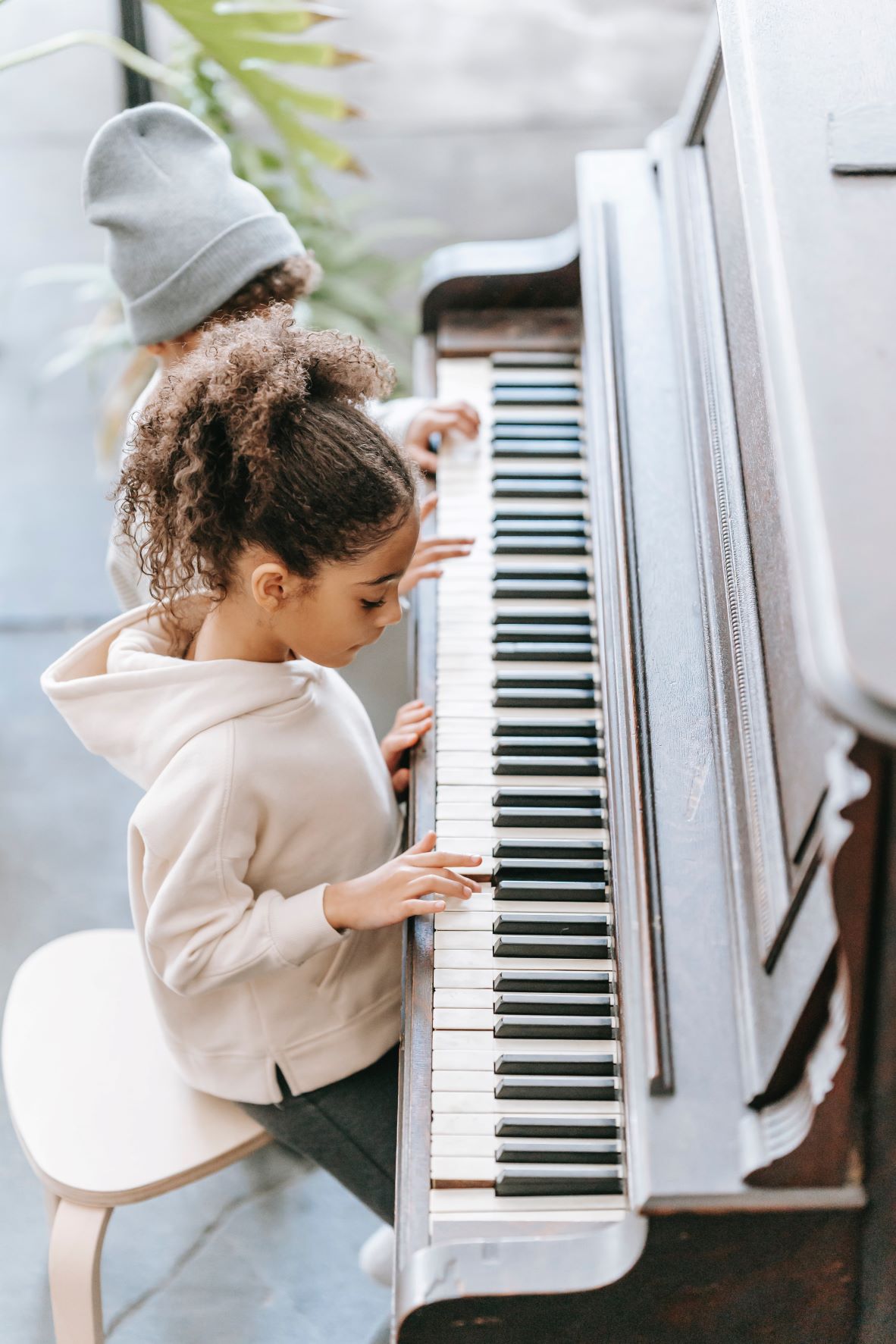
For example, a parent who is already good at singing could identify with their child’s singing along with nursery rhymes. They notice that their kid is perfectly in tune when singing or that the kid has a distinctive tone. The same goes with a child who, instead of playing with toys or getting distracted by other stuff, would choose to sit and observe their dad painting away all day long on his canvas.
Observe and follow their interest
Another best way to determine a child’s ability is to observe and follow their line of interest. When the child is playing, observe the toys and activities that they are more inclined to do and which of these they are good at. Even at home, monitor their movements, their action, and responses. Now, talents or skills do not necessarily mean being athletically or artistically good. Talent or skill can also be in the form of how they communicate or how they interact or respond to stimuli.
For instance, how a child responds to or explains an incident, the way they organize their thoughts and express themselves is an indicator if they are meant to be in a position or career someday that involves communication skills, such as the media, public relations, or even mediator or the legal profession. If a child chose to spend their time drawing or picking up a pencil and scribbling away, that could potentially mean that they could be in the field of fine arts or architecture someday.
Communicate with teachers or people involved in their education
Working with the people involved in the child’s education, such as their teachers or their school community, is another way to get a picture of the child’s potential talents or skills. Since the educators evaluate a child’s academic performance and behavior at school, they could also observe what a child is good or is excelling at. It is always best for parents to interact regularly with the teachers. Aside from getting updated reports on their children’s progress, the teachers could also confide with the parents which areas, either academically, behaviorally, or extracurricular, the child needs improvement or where the child needs to be supported to boost their potential further.
As cliché as it sounds, the children are the future of a society. They are the next leaders, movers, and shapers that could make or break a community. Investing in their talents or skills is the first step in ensuring that they reach their full potential. The next is providing the support they need along the way, ensuring that they can secure a promising and bright future, something that they are meant to have in the first place.

