Cookbooks Lasting a Decade and More

Photo by RODNAE Productions

Many have attempted to create their name in the cookbook industry, but few have fared well. While each cookbook author has techniques for creating flavor and piquing people’s interest, there is a universal guideline people can follow to make their timeless family cookbook.

Cookbooks are a staple material in most household kitchens. They’re incredibly marketable because not only do they promise the opportunity for people to learn and taste new dishes. They’re also a perfect material to bring family members closer together.

Especially now, with the ever-growing prevalent threat of the pandemic and the rising cases of yet another outbreak, it’s high time that people look for new hobbies to pass the time. As these epidemics continue to be silent threats looming over people’s minds, it’s no wonder more people are growing fond of cooking in the comfort and safety of their homes.

In doing so, not only are they ensuring the safety of their families, but they also have full volition about what and how they’ll be cooking.

With this, many writers who also cook are making a living out of publishing their personally curated dishes. Likewise, people are steadily consuming these, thus significantly increasing their sales, almost doubling the numbers as years pass by. Even though online cookbooks are a thing, nothing beats the personal experience of having to flip through a physical book.

Due to its surging popularity, many have attempted and are still trying to publish a cookbook successfully. But half of this number would have failed at this endeavor. Not because there’s a specific qualification for cookbook writers, but perhaps because they aren’t well-versed in cooking as they’d like to think they are.

From someone who dreams of being a top chef to a simple homebody with a passion for coming up with experimental dishes, anybody can create a cookbook with the right resources. They may curate their favorite dessert recipes or a timeless family cookbook like author Eleanor Gaccetta did.

While she isn’t a professional cook, she has published a great cookbook covering an extensive list of recipes for food from different generations. Gaccetta’s books and journey show that if she can do it, there’s no stopping anyone from making their cookbook.

This is what’s excellent about cookbooks. It has unlimited potential and a non-restricting nature. There are boundless dishes anyone can do by mixing numerous ingredients available. And anybody with a flare for cooking and experimenting can create one.

As with every book to exist, cookbooks start with a great idea. What do authors want to achieve through their books? Do they want their book to primarily focus on a single ingredient and the dishes people can make with it? Or perhaps they want to focus on a specific region and cuisines?

For instance, in Eleanor Gaccetta’s book, she focused on compiling different popular recipes throughout six generations. However, she didn’t only focus on writing recipes. She also incorporated heartwarming stories she has associated with the dishes. This made her cookbook, not just a material to feed her readers’ stomachs but also their hearts.

Cookbook writers can also experiment with how they present their recipes to catch readers’ attention and interest better. Cookbooks don’t have to tackle just food alone. They can also be connected to other things that make cooking and eating perhaps more enjoyable and satisfying.

Aside from the ideas, authors must also set a budget for their books. This doesn’t mean the publication costs. Instead, they need to consider their readers’ budgets while curating and crafting their recipes.

An author might have the most luxurious and delicious array of recipes. But they’re a compilation of dishes that not everyone or not even the general public can afford to make. This doesn’t only cater less audience, thus possibly accumulating fewer sales. This also limits the authors’ impact on households, which is precisely the opposite of what cookbook authors want to achieve.

Once the technical, pre-writing process is done, it’s time to hit the busy track and compile recipes—banking on the concept that one has already decided. In collecting, authors have the liberty to create, rework existing recipes, or experiment with new ingredients and spices.

This process is undeniably the most exciting yet the most critical for authors.

They can have fun experimenting with various dishes. But at the same time, they must ensure that what they’re doing is within their target audience’s tastes and preferences and that the recipes are written clearly and can be followed quickly.

On top of having the perfect collection of recipes, it’s equally crucial that cookbooks have the ideal and appropriate photos. Authors shouldn’t only focus on ensuring they have the best recipes to share. They must also hire professional photographers to capture mouth-watering images of the food they’ve created.

Clear instructions alone won’t do the trick in selling cookbooks. As naturally visual learners, people can be enticed primarily by images. Hence, cookbook authors must consider having the best quality and composed food photos.
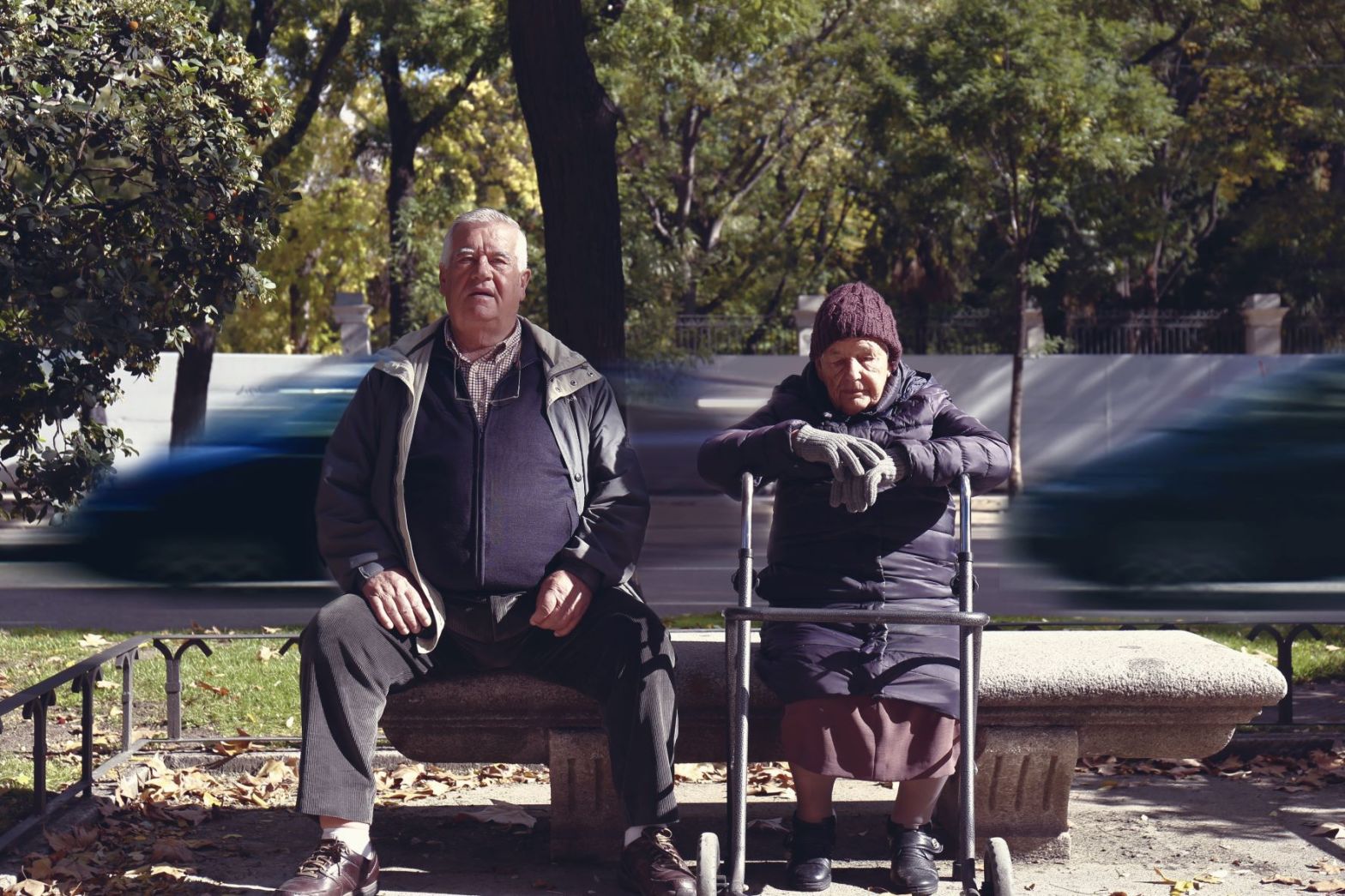

Finding Purpose After Retirement 

Photo by Ignacio Pereira: https://www.pexels.com/photo/two-elderly-people-sitting-on-concrete-beach-12321337/

Discovering purpose after retirement is something many retirees feel concerned regarding after retiring from their professions. 

With so much concentration spent on financial planning for retirement, some forget to consider how they truly want to expend their post-working years. This can lead to retirement boredom, sensations of unhappiness or loneliness, and a lost sense of meaning or purpose in life. 

The good news is that teaching a purposeful life after retirement can be done; many elders find this period even more heartwarming than during their employment.


Happiness

Happiness is how you handle your life when you sit back and meditate daily. You presumably know what pleasure feels like, and most individuals agree that satisfaction is what we all explore in life.

 However, only 1 out of 3 Americans documented being happy when interviewed. Establishing joy hinges on various elements, but it’s something cash can’t buy. Try concentrating less on yourself and taking more delight in the affinities with the individuals you love most.

Meaning 

As many individuals comprehend, meaning is the inner sense that your life is lived for something else. If we’re only on earth for a brief while, we want to understand that our time represented something and that our influence on others will be recognized once we are gone. 

Being entrenched in a society is often one of the most important origins of meaning for people, as they know their acts and others recognize their lives. 

Purpose

The purpose is something beyond you that pushes you and motivates you to get up at sunrise and make fruitful gifts to the world. Having a sense may also be associated with and achieved through taking good care of someone you love dearly.

 In the book by Jack D. Weaver, for example, he talked about having his purpose by living his life with his beloved wife and their shared struggles in combating her Alzheimer’s disease and making the rest of his extraordinary life by performing his hobbies and taking good care of his health. 

In many cases, this kind of objective by the author is essential for enjoyment and significance.

 Most people won’t find much pleasure in life if they don’t feel they are performing toward something they feel, offering them a feeling of purpose and achievement. That makes discovering your goal essential to staying joyful. 

Other elements of a life well-lived: time with relatives and companions, your health, cozy surroundings, and strips in retirement.

When considering how you will live well in retirement, you might first evaluate your goal, then think about what other elements you’ll need to satisfy you every day.

Once you retire, the pursuit and purpose that your job formerly provided may no longer be available. One of the most significant retirement matters is finding ways to live a fruitful, fulfilled life after they no longer are charged with their work accountabilities. This can be stressful — but it can also be an excellent chance. 

Volunteer 

Many retirees encounter purpose in retirement by volunteering their time and work. Numerous reasons require an additional hand and might not have the budget to employ the help they need. 

 Contributing your time and service to these residents by cooking meals or keeping shelter establishments can make you feel fulfilled and rewarded.

Get engaged with your church or community group.

Making assistance to a community is one of the most important ways that people can find purpose. If you are already concerned with an institution, such as a church group, neighborhood garden, or community organization, consider making more active contributions or applying to be a board member.

The small assemblies in life manage to be the ones that contain the most critical impact; attaching to the same people through thick and thin can lead to a powerful sense of loyalty, purpose, and meaning. 

Most people who live longer lives have a powerful sense of community. Keeping your social circle is essential to staying happy and finding your purpose in retirement. 

Give time to your hobbies.

Retirement offers the chance to put profound time into pursuits you could only dabble during your employment. Picking up a new musical apparatus or taking a class at a local neighborhood university are great opportunities to add a sense of purpose to your days.

 Discovering new skills and sharing them with others can also be an ideal way to give back. You could train your grandkids to paint or play in the local bar during summer park shows. Hobbies can be one of the most compelling and exciting parts of retirement.

Concentrate on what makes you happy.

Life after retirement is all about awarding yourself for decades of hard work during your employment. The last item you want is to stress how you will fund your retirement. That means setting a dedicated cash flow is vital. 

It’s an ingenious idea to save for retirement as early as you foresee. Rewards from your investment portfolio and your benefits can also help you afford life’s finer things in retirement. 

Got the Sweet Tooth? Have Some Classic American Desserts to Liven Up Your Day! 

Got the Sweet Tooth? Have Some Classic American Desserts to Liven Up Your Day! 

Ever woke up in the middle of the night craving for some of your grandma’s chewy brownies? How about when you’re in a middle of an important meeting, but your mind drifted off, thinking about that wonderful apple pie your mom dropped off early that morning? Or, how about when you’re indulging in your morning coffee and all at once longed for some of that blueberry cheesecake to pair up with your cup of joe? Well, one thing’s for sure, you got a serious case of the sweet tooth! 

Author Eleanor Gaccetta brings you a taste of home on Generations of Good FoodGenerations of Good Food is a cookbook that brings to life good, old American recipes, including a delightful variety of main dishes and delectable desserts to satisfy those sweet cravings! From iconic American desserts such as Chiffon cake, cookies, and other delicious pastries, Eleanor Gaccetta’s cookbook ensures to enliven up any kitchen and dining meal experience! Watch her video at www.onecaregiversjourney.com

The Quintessential Classic American Desserts

Everyone takes their desserts seriously. Who doesn’t? Short of calling them national treasures, desserts are a staple of every meal – that one-dish course that completes and seals a dining experience to a blissful finish. 

The very word to describe a quintessential American dessert – is blissful. American desserts are known for their association with the sensation of warmth and homemade goodness. From the scrumptious, crumbly, fluffy, rich, and oh-so-indulging texture and flavor, there’s that feeling of “coming home” when we conjure up images of American pies, cookies, and cakes, all sorts of confections, sweets, and pastries.

Ready for some food-guilt pleasure trip? We’ve listed some of the MUST-try classic American desserts that can get you running to the next dessert or bakery store. 

Apple Pie

Apple pies are the epitome of American comfort foods. Such is the significance of this dessert pastry that it represents American national pride and prosperity. It is one of those desserts that seemed to be present on almost every holiday, often a perfect giveaway for any occasion. But even without an event, there’s nothing like the experience of sniffing a waft of that double-crusted, apple-filled, striped top crust pie just coming out of the oven. It’s a feel-good experience.   

Chocolate Chip Cookies

What’s not to love about a chocolate chip cookie? This emblem of American dessert, people from all walks of life and all ages at one point had a craving for this chunky and crumbly, and even at times soft and chewy, flavorful drop cookie mixed with chocolate chips or morsels. It’s one of those desserts that became world-famous, a shared favorite by countries worldwide. 

Banana Split

This All-American favorite dessert consists of peeled and lengthwise cut banana, served with scooped ice cream, drizzled sauce or syrup, and often topped with cherries and whipped cream. Also considered one of the most popular ice cream desserts, the banana split is the ultimate cool summer dessert you can’t wait to dig in!

Gingerbread

Gingerbread dessert utilizes an interesting mix of ginger and honey or molasses. This dessert gained further popularity because of its association with the fairytales “Hansel and Gretel” and “The Gingerbread Man.” Gingerbread is a famous staple holiday dessert due to its ginger, cinnamon, or dried spices component.  Christmas isn’t Christmas without gingerbread!

Pudding

Pudding is one of the fascinating dishes that can be both a main meal or a dessert. Pudding is a versatile dish with different flavors such as chocolate pudding, rice pudding, pumpkin pudding, banana pudding, and so on. A typical American pudding is generally an egg or milk-based set using gelatin, cornstarch, or even Jell-O. The pudding can either be baked, steamed or set as creamy.  

S’mores

There’s nothing like the good, old-fashioned campfire, songs and storytelling around the bonfire, and S’mores to complete a night of outdoor camping. This simple dessert treat is made up of toasted marshmallows, a strip of chocolate, layered and sandwiched between two graham crackers. Just stick it on a skewer, roast away on the open fire, and you and your friends or family are in for a night of great treats! 

Frozen Yogurt

This mouthwatering frozen dessert is a classic favorite because of its healthy ingredients. It has the same basic component as ice cream but with the added touch of live bacterial culture and is fat-free and sugar-free—a perfect dessert for those on a diet.  

Classic American desserts are here to stay and will continue to be loved by future generations. So, for those late-night cravings and sudden spells of longing for home, go ahead, complete, and liven up your day. Reach for the nearest American dessert, and get your fill of home and love.  

Mountains in Poetry and Legends

Mountains: Nature’s majestic landmarks evoke both a sense of foreboding and beauty. They are the stuff of myths and legends.

People have looked at the world’s highest peaks with awe and wonder even during the age of antiquity. Even before that time, people have worshiped mountains as sacred or religious places. Mount Olympus, the highest peak of Greece, was once home to its Pantheon, the Olympians. That is where the top athletes and Olympics competitors get their names. It shows how much people in ancient times revered these natural and imposing landforms.  

In a more poetic sense, mountains have always been considered highly. Their natural yet imposing beauty just says a lot. In a more traditional sense, they represent an opposition, something that must be surmounted even if it seems impossible. Reaching the top of the summit means overcoming the impossible. It is only proper, for the price of reaching the top of the world’s highest peaks are views of vistas only few can see. Pictures and photographs can only capture a fragment of the breathtaking sight presented to you on top of one. Reaching the top of a mountain means being on top of the world.

Just as mountains are a metaphor in and of themselves, so does the act of climbing one. The struggle of mountaineering is not unlike the battle of life. It is hard. The climber will have to patiently strive as he faces the trials set before him. To continue means to succeed. To surrender means to fail. Such is mountaineering. Such is life. Nothing illustrates this more than author Alan Goldman’s book “Reflections on Mountaineering,” a book of poetry on his time mountaineering.

The Myth of Sisyphus

Another characteristic of life that is well known is its absurdity, and nobody else showed this well than Albert Camus. In his seminal work, The Myth of Sisyphus, he introduces his philosophy of the absurd. Through this myth, he compares life to the struggle of Sisyphus, a Greek mythological figure who Zeus punished by pushing a boulder on top of a mountain, only for it to roll downwards, and the efforts of Sisyphus being “wasted .” Yet, he continues to push the boulder, only for it to roll down again. Such is the absurdity of the struggle of Sisyphus. Such is the absurdity of life. The great philosopher ends his essay by imagining Sisyphus happy, for the battle alone fills his time and, in doing so, his life. He has found his purpose. All is well.

Mountains as Stuff of Legends

Not only are mountains revered in poetry. They, too, are the stuff of legends. Of course, we have already mentioned Mount Olympus as the home of the Greek gods and goddesses. However, another legendary Greek mountain is Mount Othrys which is said to be the Titans’ home during their ten-year war with the Gods. And the Greeks are not the only ones who have their legendary mountain. Other countries, too, have their fair share of legendary mountains.

  • Mont Blanc, Switzerland – This mountain is the highest peak in the Alps and western Europe. Old tales say that the statue and temple of Jupiter, the Roman god of the Sky, were once found there. Meanwhile, in Christian legends, it is said that this was where St. Bernard battled the devil. It is the very Saint Bernard where the nearby Great Bernard Pass and the Saint Bernard dog breed got its name. Currently, its name means “White Mountain.”
  • Mount Vesuvius, Italy – Vesuvius is legendary for it was this landform that destroyed the Roman cities of Herculaneum and, more famously, Pompeii. Its name alone brings a sense of power and strength. It is fitting for a mountain infamous for the destruction of whole cities.
  • Croagh Patrick, Ireland – If you are wondering why there are no snakes in Ireland, well, the answer is found here, for it is in this mountain that St. Patrick of Ireland banished the slithering reptiles as well as demons from the country forever. At present, it is considered Ireland’s holiest mountain. 
  • Mount Everest, Nepal – To the rest of the world, it is the highest peak. This fact alone makes it a legend. However, to native Nepalese, it is Sagarmatha, “the Holy Mother.” It is Chomolungma or “Goddess Mother of the World” to Tibetans. These names only fit for the peak that sits at the world’s top.

Meal After Lockdown: Will Cooking & Dining Ever Be the Same?

The COVID-19 global pandemic brutally put a halt to most commercial business trades. Many businesses shut down or turned into a hybrid mode working set up to accommodate the uneasy and disturbing situation. One of the most affected sectors during this time was the restaurant industry.

A big percentage of the restaurant industry was unprepared for such a crisis and was not designed for the pandemic’s impact. Because of the need to isolate and practice social distancing, restaurants that don’t have contingency plans to counter such extreme situations were forced to close down, leaving regular patrons and diners with no choice but to adapt to the new normal dining – which is going back to the traditional way of home cooking and eating at home.

Author Eleanor Gaccetta’s recipes and heartfelt stories in her book Generations of Good Food epitomize the significance of home cooking and bonding over warm home-cooked meals. The book shares the author’s recipes that spanned six generations, bringing life to Italian cuisine, including heartfelt anecdotes about the author’s Italian background. 

What is cooking and dining like during the pandemic?

While COVID-19 is raging out and about that, resulting in a significant series of lockdowns, rest assured, there are no lockdowns taking place in kitchens. This is why people turned and reached back to their roots of home-style cooking. You can be sure that those hidden, tucked away family cookbooks, probably already dust-covered, were brought out into the open! 

Those people who were used to dining out had to get used to cooking at home. Although restaurants closed, grocery stores, being an essential need supplier, remained open and were probably the most active and prolific commerce during this time. Online shopping and delivery services saw a significant boom as people turned to virtual shopping for their food supplies. 

Now, it may feel like being cut off from the social world. Still, the pandemic actually brought families closer together as more and more parents or relatives invested their time and talent polishing cooking skills, relearning old cooking methods, and learning new recipes to keep their household full and satiated. 

Food nutrition also took the spotlight. Vegetables and fruits went flying off the shelf as soon as displayed. Healthy juice drinks and even vegan foods became bestsellers. Strengthening the immune system against getting infected or fast recovery from the virus was at the top of almost everyone’s goal. Everyone became conscious of the food ingredients. For food preparation, every grocery or item coming from the outside should be washed and cleaned down properly before the cooking begins.

How cooking and dining look like after pandemic

Now that the lockdown is over, do we see a sudden surge in restaurant dining? Will home-cooked meals still be the trend? Or are we seeing a hybrid of dining out and eating in? Probably the hybrid style of cooking and eating. 

The pandemic reintroduced an eating and dining habit, which is being cautious. People are more conscious now about the food they buy, the food they eat, and how they cook meals. They became more aware of the importance of having a healthy diet, so they tend to be more selective about where and how they will eat their meals. 

Some eating establishments continue to practice social distancing and sanitation methods. While diners, even those pre-COVID regular patrons and those who preferred dining out, have moved to the hybrid way of eating, between restaurants and home cooking. 

What are the takeaways from the pandemic?

First, people realized the joys and advantages of cooking their meals. Home-cooked meals that are nutritious boost the immune system and reduce the risks of severe or chronic diseases. Another takeaway from the pandemic is the cost-saving benefit of cooking and eating at home. And, of course, the significant payoff coming from the pandemic is the reconnection and bonding of families over cooking and eating at home, which was the missing essential aspect during pre-COVID times. 

Making the most of the COVID aftermath

Will cooking and dining ever be the same as it was pre-COVID? Not likely. COVID-19 has re-taught us all the importance of having a healthy lifestyle, healthy relations, and a hygienic and sanitized environment. It might be challenging to adapt to the situation, but habits are formed over time due to constant practice. 

Whether cooking and eating are done in a restaurant or at home, it doesn’t matter, as long as those mealtimes enhance and boost the experience and the overall well-being of both the cook and the people eating.

Photo from Pexels.

Dreaming of that Perfect Love: Does It Exist?

We all dreamt of the kind of love popularly depicted in films, books, and practically all sorts of arts and literature. Perfect love is exemplified in the Christian faith as the love that is kind, patient, does not envy, does not boast, etc. In the films, love is one of many splendored things. Love fuels another person’s strength, hope, courage, and even faith. Love is beautiful, love is wonderful. Almost perfect, too good to be true. But what is love really all about?

Poetry in Motion Quattlebaum book, author Raymond Quattlebaum delightfully uses poetry that signifies the love for life. The miracle of God, which is life, depicts God’s love and a chance to get to know who we are in this life. 

What is love?

Love entails a very complex explanation. Love simply isn’t just a form of emotion. It is a form of reaction, a behavior often characterized by familiarity, passion, commitment, and intimacy. How love is seen differs for each person. A person’s perception of love is ultimately affected by their own experience, background, or education. 

Love is typically grouped into four categories. There is the eros love, the physical, romantic, sensual kind of love. Philia love is the type of love shared among friends. Storge love is love commonly found amongst family, or the love between a parent and a child. Last but not least, Agape love is referred to as the highest form of love, which is the love of God towards men and vice versa.

For eons, science has tried to pinpoint the exact culminating definition of love, but apparently, it is one of the things that, mysteriously, seems to escape science. It is important to note that love is one of the major and vital human emotions that impacts a person’s overall well-being, that without it, man fails to function properly as a human being ought to.

Either as a cultural, biological, or psychological phenomenon, either triggered by hormones or not, we can all agree and safely say that, yes, the world, indeed, needs love. 

Is there a perfect love?

The above question is almost akin to asking, “Is there such a thing as a perfect person?” “Is there such a thing as a perfect relationship?” “Is there such a thing as a perfect life?” No matter how many times we convince ourselves of ideal love, ideal partner, or ideal life, the truth is that perfect love does not exist. 

The word perfect itself means that something is without any error, without a mistake, without a fault. Sounds too good to be true. But as human beings, it is in our nature to commit a mistake now and then because committing a mistake or something wrong is the only way a person can learn and grow. No one rides a bike and gets it right the first time they pedal. They actually fall and bruise their knees a couple of times before confidently getting themselves to ride a bike smoothly.

Perfect love does not exist, but real love does. Perfect love is an idea, a desire of what we hope a relationship should be. But in reality, even before a person comes close to becoming “the one,” they have to go through many challenges and hurdles. Aiming for a perfect love might be foolish, but it doesn’t mean we should totally discount this ideal.

The aim of the concept of perfect love should serve as a goal, a motivation to work towards it. Everyone should strive to be perfect, but then again, still, accept our flaws and limitations. Striving to become perfect or have a perfect relationship means working to become better persons and better partners that eventually will benefit a relationship or our situation in life. 

Then there’s real love. Real love doesn’t happen overnight. It is the end reward for anyone who works hard to maintain and sustain their relationship. Real love is that unwavering devotion and desire for your partner that you’re willing to go through hell and back just to ensure your partner’s comfort or happiness. To experience real love means going through the negative and the positive notions in life, taking both the good and the bad.

In the end, we ask ourselves, does perfect love exist only in dreams? Possibly it appears only in dreams. Then again, does it really matter? Love is, after all, a good, positive, and warm emotion. It can be any type of love, but what’s important is love is shared and valued. That is the closest thing we can have to perfect love. That is probably what matters the most. 

The Power of Choices

Our choices really depict who we are and what we have become. We make choices every day. The choices we make will have an outcome, whether or not it is a positive or a negative one. We live because of our favorites.

Sometimes the choices we make in our lives can have a consequence of a lifetime. In the book Real Prison Real Freedom, Rosser McDonald, the author of the book, emphasized that EVERY ONE OF US IS ENTITLED TO OUR CHOICES IN LIFE.

In life, we find ourselves stuck in a situation where we have to make decisions ranging from minute problems to important life or death decisions. There are a lot of circumstances in which we can make such decisions we have to think about. Even simple things such as deciding what shoes to wear, what color of the cloth, or even what type of meal to choose to eat for breakfast. These simple decisions can affect the day and are crucial for the satisfaction you can feel at the end of the day. Being able to decide well is an integral part of our being. We are bound to be satisfied every second of our lives, and we have to do everything to fulfill that need.

From simple choices come the more major decisions. The decision to have a relationship with another human being or deciding what to invest in for the betterment of your life and for the family. These choices significantly affect not just your day but your future as well. These types of choices must be pondered very keenly, for it requires a lot of analysis and debate within yourself. The most appealing part of this is not about how you make the decisions but about pinpointing the possible outcome if the choice were made. For example, if you decide to engage in an open relationship, you have to pinpoint the pros and cons of having an open relationship and, by that, decide whether it is applicable to you or it doesn’t meet your own interpretation of having a relationship. Moreover, choices like this can be learned through experience. Most f the bad decisions you have come up terrible, and that’s alright. All you need to do is learn from and proceed with your life, not be chained by remorse and guilt.

Next would be the choices you have no control over. It may seem vague, but it is possible. Instances where you have to decide for the betterment of the situation. For example, there’s this accident that includes you and a person in your family, and only one of you must be saved. So you have to decide which of you will be saved and which one will not. In this kind of decision, life struggles for its existence, and choices in this kind of situation require a great leap of faith.

Remember always that your life is the series of all the choices you have made, and your future decisions will affect your life in the future.

Choices can be decided through belongingness with spirituality.

Choices will always belong to the highest good you can possibly get. There are choices that are crucial, and you can make bad decisions, but it’s okay. You have to remember that the essential requirement of being a good handler of your life is being connected to yourself and to your nature. Reflection plays an integral role in decision-making because it encompasses all the things you have learned from the past that you can possibly use for your future.

We live every day trying to make sense of our lives. Sometimes we are bombarded with problems and demanding situations that leave behind our capacity to reflect and look into our inner being. Being able to know which part of our lives has a problem can be fixed by going back to your source. Being spiritual means, you are interconnected with a sense of things. You have control over your emotions, mind, and decisions. Spirituality is excellent practice for being a human being. It requires meditative deeds and careful handling of choices that will greatly influence you today and in the future. Spiritual choices can be made by giving your decisions to the Lord, who is more powerful and has the power over your life.

Alzheimer’s: A Drowning Fact About the Disease and Outlooks to Reduce Its Risk Factors

Alzheimer’s disease is a brain disorder that cannot be stopped or reversed. This disease greatly affects thinking, memory, learning, and organizing skills and eventually affects people’s ability to carry out simple daily activities. Also, this disease’s symptoms worsen over time. In fact, scientists believe the disease process may go on for 10 years or longer before the first symptoms of Alzheimer’s disease appear.

 In the human brain alone, there are 100 billion nerve cells and other cells. The nerve cells work together to fulfill all the communications needed to perform such functions as thinking, learning, remembering, and planning.

 A few of Alzheimer’s disease prevalent symptoms are Memory loss, inability to sleep, difficulty learning and remembering new information or recent events, and difficulty reading, writing, and working with numbers. As Alzheimer’s disease affects each area of the brain, certain functions or abilities are lost. Once an ability is lost, it can be rarely be relearned. Although the disease may result in some saddening changes, it does not affect the person’s ability to appreciate, respond to, and experience joy, anger, fear, love, or sadness.

There are two forms of Alzheimer’s Disease, namely: Sporadic Alzheimer’s disease and Familial Autosomal Dominant Alzheimer’s disease. The former is the more common form of the disease and accounts for 90 to 95 percent of all the cases. The role of hereditary in this form is unclear and is the subject of much research, while the latter is a less common form of the disease and accounts for 5 to 10 percent of known cases. In certain families, this form is passed directly from one generation to another.

Few of the factors for the development of the disease are Age, Genetics, High Blood pressure, High Cholesterol, Diabetes, Smoking, and Obesity. Researchers believe the presence of the last five risk factors mentioned above might reduce the clearance of amyloid protein from the brain, which then increases the risk of developing Alzheimer’s disease. Having said this, the presence of a number of these risk factors while a person is in his/her 50s or above can be associated with a high risk of Alzheimer’s disease.

It is a common knowledge that Alzheimer’s robs people of their ability to remember, but other truths about the disease remain unknown. When memory started to decline, how hard it is to talk about someone’s experience battling this disease? Some of Alzheimer’s memories have turned into memorable stories of hope and resilience. Such stories as Jack Weaver’s book about Alzheimer’s disease resonates, a source of reflection and inspiration that amid the hardship, there would always be a light at the end of the tunnel.

There are ways to reduce the risk of MENTAL DECLINE. One must consider that HEALTHY LIFESTYLE plays a significant factor in combating the risk of Alzheimer’s and other brain diseases. Furthermore, here are a few things you must consider doing for the rest of your life to prevent such harmful disease :

STAY SOCIALLY ACTIVE. Find a time to reconnect with the people who are dear to your life. May it be your friends or family members. Join some group activities such as work services, exercise classes, choir, book clubs, and other social activities where you can find time to talk and share what you are thinking; it is also healthy for your mental health as well.

STAY PHYSICALLY ACTIVE. It is believed that exercising or doing outdoor activities increases blood flow and oxygen to the brain, which may directly affect the brain cell health. Remember that when doing something outdoor or exercising in a gym, you should wear the necessary gear for your protection and less harm that you can get from these activities, especially when it is extreme and wild.

STAY MENTALLY ACTIVE. One should encourage one’s self to read. It is very crucial since reading exercises our mind, especially our thoughts. Reading can also be a type of mental activity that is beneficial to a thinking mind in every role it plays. There are some other mental activities aside from reading that you can do to stay mentally active. Activities such as board games, crossword puzzles, playing musical instruments, or other activities that require your brain’s power.

Follow the DASH Diet or any HEALTHY Diet that includes antioxidants. Consume alcoholic beverages in moderation— no more than one drink per day for women and no more than two per day for men.  

What Is Love?: The Faces of Love

What is love? Love is all-encompassing, crossing time and space, that even sometimes science cannot explain. Love is symbolized, seen as people holding hands and hugging each other. Love is about those hearts, flowers, and chocolates celebrated every Valentine’s Day. Love is when somebody looks at and takes care of another person. And love is in the eyes of the beholder. For author Wendy Veronica Lisare, in her book The Other Side Of Fear, My Journey Into Perfect Love, love is God, the knowledge of God’s love. Everyone has their idea and perception of what love is. Love is also defined based on a person’s experience, ordeal, what they have gone through in life, and how life has shaped them.

What are the different faces of love? 

Although love as a theme is very broad, it has been narrowed down to several types to make it more refined when it comes to its identity. Love may often be associated with that warm, cozy feeling, but there is a distinction in applying it in real life. Read on to find out the most common types of love usually seen out there.

Agape

Agape is all about the love of mankind. It is a kind of love that’s modeled off of God’s love for man, and God’s love is unconditional and unrequited, a love that has no expectation or self-benefit for the giver. It is often referred to as the highest type of love, especially in Christianity.    

Eros

Perhaps the most popular type of love and a favorite subject in most literature. Eros love is the erotic, passionate, or sexual love epitomized by lovers in books and movies. An addicting kind of love, this love tends more towards or focuses on a person’s sexuality or the physical and sensual intimacy between two persons. 

Philia

Philia is the love among friends, or what is known as brotherly love. It is a healthy kind of love that is very much encouraged. It’s associated with feel-good emotions and is good for a person’s overall health. Being involved and surrounded in this kind of relationship makes a person strong, healthy, and resilient. 

Storge

Familial love or the kind of love between a parent and a child is known as storge. Sometimes, storge is also connected with tender love, just like the care shown to the older family member or the elderlies. It is a kind of love that’s deep, yet tender, caring, and protective. 

How to find love?

Intriguing, isn’t it? For those looking for love outside of the family or those seeking the deeper kind of love often depicted in literature, how does a person know where to start looking for love and know that it is love when they finally encounter it? It’s best to remember that, based on the above, love comes in different forms. What would appear love to one may seem like a different love to another. 

The search for love would depend upon the person looking for it. It would depend upon the person’s taste, preference, or background experience of what love is or love should be like. But for those who are looking to get a good head start in looking for that “love,” here are some tips that they might find helpful:

Meet with like-minded people

Love is often formed between people sharing the same interest. So there’s a huge chance that if a person is looking for love, they will find it among events or social groups they are interested in. It could be in clubs or organizations sharing the same kind of passion or any social circle shared among like-minded people. 

Love yourself

A significant attracting factor in a person is how well they take care of themselves and how happy they are with their life. Having a healthy amount of self-love and having a happy and optimistic disposition often attracts people from all walks of life. Their radiating positivity is like a beacon that everyone wants to get close with. 

Know the kind of love you’re looking for

It is best to identify the kind of love you’re looking for to prevent any regrets in future relationships. Know yourself if you’re ready to make any serious commitment or not. Discern your likes and dislikes, and take note of which take priority for you. The line between sexual love and familial love is often blurred, and it’s up to you if you’re willing to commit yourself to a love that needs to work on, especially if it’s a love that started out as a physical attraction. 

Love is all-encompassing and often reckoned as the most powerful force in this life. Love can move mountains, a telling that love can make a person overcome all odds just for the ones they love. Love has many faces, but love truly lies in the eyes of the beholder.

Discovering Your Child’s Hidden Talent

The cornerstone of every society is the development of its youth. How the kids in their community turn out to be as adults and how they contribute later on will be the measuring yardstick of how society thrives and flourishes. That’s why the best investment any parent, or any adult, will ever have is to invest in today’s youth. That is, to invest in their education and their values and character development. “Nobody” IS “SOMEBODY” by Dr. Sandra C. Birchfield is a book that talks about how an introverted child managed to find the courage to join a Spelling Bee contest, overcome his shyness, and become “somebody” that he was meant to be. 

How to identify a child’s potential? 

One of the many challenges parents faced was identifying their child’s hidden talents or skills. Children are typically on a learning curve in their age, still learning the grasp and meaning of life and finding their place in the world through adapting to their surroundings. They’re still at the stage where everything seems to be a curiosity, a wonder, and an experiment. They test everything that their senses perceive, and they are still forming their thoughts and reflections on the environment surrounding them. So, naturally, it would be a bit difficult to find out the true nature of their talents or skills. 

But even so, despite their in-progress development, there are clues and signs along the way that the sharpest-eyed adult can easily spot as indicators that, yes, this is the child’s talent. This is what they are potentially good at someday. And once spotted, it is best for the adult to grab hold on to that and start honing a child, slowly but surely, so that their transition to becoming what they’re meant to be will be a smooth and easy one. 

Look for the genes

Often, one of the indicators of talents and skills is genetic predisposition. Meaning that an existing talent or skill runs through the family. It could be that the mother is good at singing opera, and so are her mother and her grandmother. Or, it could be that the father is a talented painter, and so are his brother and his uncles. These are signs that could be observed in a child’s early years. 

For example, a parent who is already good at singing could identify with their child’s singing along with nursery rhymes. They notice that their kid is perfectly in tune when singing or that the kid has a distinctive tone. The same goes with a child who, instead of playing with toys or getting distracted by other stuff, would choose to sit and observe their dad painting away all day long on his canvas. 

Observe and follow their interest

Another best way to determine a child’s ability is to observe and follow their line of interest. When the child is playing, observe the toys and activities that they are more inclined to do and which of these they are good at. Even at home, monitor their movements, their action, and responses. Now, talents or skills do not necessarily mean being athletically or artistically good. Talent or skill can also be in the form of how they communicate or how they interact or respond to stimuli. 

For instance, how a child responds to or explains an incident, the way they organize their thoughts and express themselves is an indicator if they are meant to be in a position or career someday that involves communication skills, such as the media, public relations, or even mediator or the legal profession. If a child chose to spend their time drawing or picking up a pencil and scribbling away, that could potentially mean that they could be in the field of fine arts or architecture someday. 

Communicate with teachers or people involved in their education

Working with the people involved in the child’s education, such as their teachers or their school community, is another way to get a picture of the child’s potential talents or skills. Since the educators evaluate a child’s academic performance and behavior at school, they could also observe what a child is good or is excelling at. It is always best for parents to interact regularly with the teachers. Aside from getting updated reports on their children’s progress, the teachers could also confide with the parents which areas, either academically, behaviorally, or extracurricular, the child needs improvement or where the child needs to be supported to boost their potential further. 

As cliché as it sounds, the children are the future of a society. They are the next leaders, movers, and shapers that could make or break a community. Investing in their talents or skills is the first step in ensuring that they reach their full potential. The next is providing the support they need along the way, ensuring that they can secure a promising and bright future, something that they are meant to have in the first place.

Design a site like this with WordPress.com
Get started